Tag Archives: Antifungal Drug Treatment

Your Lower Esophageal Sphincter: What You Need To Know

The lower esophageal sphincter (LES) is a round muscle and contracts and closes off down at the bottom of the esophagus that leads into the stomach.

The LES stop the contents of the stomach from coming back up again. If it’s not working well, people can run into problems with swallowing, burping, bloating, heartburn, and feeling sick to their stomach. A poorly functioning LES can result in GERD (gastroesophageal reflux disease).

The LES works best in people who are not highly stressed, aren’t overweight, and aren’t drinking massive amounts of coffee each day.

People who smoke, who eat lots of chocolates and mints, drink lots of coffee and are larger, are at risk of having a problem with their lower esophageal sphincter. The LES can become saggy, loose, and stop closing correctly, resulting in acid reflux.

What are some of the critical things you can do to strengthen the LES?

To begin with, you need to eat the right kinds of foods.

In my book, Candida Crusher, I review the importance of not eating too fast and throwing everything down the throat like it’s some kind of cement mixer.

Some people will have a cup of coffee, then ice cream, followed by a piece of chocolate, a glass of wine, and a slice of pizza. They seem to think that everything will magically digest properly.

Going to the doctor’s is not going to help because you’ll only get put on a proton-pump inhibitor like Nexium. That’s not the answer.

When you have a digestive problem, think about what might have caused the problem.

Maybe it was the big piece of pizza and a couple of cans of beer. Perhaps you got stressed out and upset.

Years ago, I had a problem with my lower esophageal sphincter. We had three young children, I was quite stressed, and I was eating too fast.

Further readings:

I can remember having reflux and other digestive problems at the time.

When the body is in a fight or flight mode, it’s not going to digest food properly. When it’s in a relaxed mode, what we call the rest and digest, or the parasympathetic dominant part of the autonomic nervous function, you’ll digest very easily.

That’s why it’s important not to watch bad news when you’re eating. I recommend that you put all screens aside and just sit there, relax, and chew your food.

The other step you can take is to get an assessment of your level of stomach acid production. A baking soda or betaine hydrochloride test will tell you how much acid your stomach is making.

You can get your stomach prepped up in making acid, and train it to work better, by adding Swedish Bitters, lemon juice, or some apple cider vinegar to your diet. I recommend Bragg’s Apple Cider Vinegar.

Acidic foods will help tone the LES and get your stomach in better shape.

Lastly, a digestive enzyme-probiotic formula like CanXida Restore can help get your upper GI tract in great shape.

Sources:
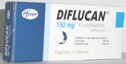
Fluconazole (Diflucan)

DiflucanAn alternative well-known oral drug for candida yeast infections consists of Fluconazole (Diflucan). I am amazed how many women I have seen who have been prescribed Fluconazole weekly on an ongoing basis to counter vaginal yeast infections, sometimes for years, yet with no further recommendations in terms of dietary or lifestyle modifications. Incredibly, some of these women have taken Diflucan for five years or more, one tablet per week. I have helped many women who have taken this drug, and have found that most all can discontinue its use after a period of eight to twelve weeks, even those who have been taking Diflucan for several years.

Related articles:

Side Effects

Get hold of emergency medical aid in case you have signs of an allergic response to Diflucan for example hives; difficulty breathing; inflammation of your face, lips, tongue, or throat.

These are the more serious side effects of Diflucan, see medical aid if you get any:

  • Nausea, upper stomach pain, itching, loss of appetite, dark urine, clay-colored stools, jaundice (yellowing of the skin or eyes);
  • Fever, chills, body aches, flu symptoms;
  • Severe blistering, peeling, and red skin rash;
  • Easy bruising or perhaps bleeding, unusual lack of strength/weakness; or
  • Seizure (convulsions).

More common Diflucan side effects include:

  • Mild stomach pain, diarrhea, upset stomach.
  • Headache.
  • Dizziness.
  • Unusual or unpleasant taste in your mouth.

In my experience, most doctors would prefer to treat vaginal yeast infections with vaginal tablets or suppositories rather than oral medications. But, saying that, they are quick to prescribe an oral antifungal medication or anti-biotic if they notice little result with the topical treatment. Remember, while vaginal treatment is unlikely to cause these side effects, the same cannot be said of any oral antifungal or antibiotic medications. Be sure never to take Fluconazole if there is any likelihood of becoming pregnant.

This drug is not recommended for use during pregnancy. If you have been using this drug and have experienced any untoward side-effects, or if you have been on it for some time, then I would highly recommend an herbal treatment to clean up your liver for at least three to four weeks, because the liver can be affected significantly whilst taking this drug.

Related articles:

Good Tip: Avoid The Repeated Usage of Drugs

Unfortunately, the use of prescribed pharmaceutical anti-fungal drugs and creams, especially if repeated or chronically used, can only lead to the development of stronger strains of yeast that eventually become drug resistant. Higher dosages or stronger drugs are then required which only escalate the problem even further. Many doctors now no longer use Nystatin or even antibiotics because they only weaken a person’s immune system and can damage certain organs like the liver and kidneys. If you ever treat yourself with any over-the-counter preparations and symptoms continue or recur within two months, it is wise to seek the advice from your health-care professional.

Anti-Fungal Drug Resistance

docYeast infection treatments, which fail to respond to conventional anti-fungal drug treatments, have become increasingly reported, just like antibiotic resistant bacterial infections have over the years. There are many people who just don’t seem to respond to the azole class of drugs anymore, such as Fluconazole. This is partly due to the widespread, long-term use of azoles for treating and preventing yeast related health issues.

Medications do have their place at times and are sometimes useful to get rid of first-time yeast infections or major yeast infections, I have noticed that some patients over the years had a successful treatment by their doctor for their yeast infection, and never did the problem recur. But these cases are uncommon, and in most all cases the yeast infection will recur. If you get a recurring yeast infection, then you should seriously consider not using that medication again because it could mean that you are either developing drug resistance, or that you have an underlying problem that hasn’t been addressed. If you use prescription medication every time for a recurrence it means that you are covering up a problem that needs to be fixed. You need to get rid of the yeast problem at its core, the cause needs fixing and not the manifestations of the cause.

Related articles:

Unfortunately, the doctor’s answer to fungal drug resistance may be to double or treble the dose of what he has prescribed you or alternatively to use a an even more powerful antifungal such as amphotericin B. While this drug is certainly more potent and effective, amphotericin B is considerably more toxic, especially to the kidney. If you are a person with an underlying kidney or liver disease, you will want to avoid the stronger antifungal drugs which result in changes in kidney function tests. Just like a gun with a higher caliber, the stronger the firing power the more likely you will cause more collateral damage.

Recent studies have show that exposure to azole treatment decreases the antifungal activity of amphotericin B. Two other types of antifungal drugs have also been shown to be active against azole-resistant candida yeast infections, they are Voriconazole (Vfend) which showed enhanced activity against fluconazole-resistant candidiasis and another drug called caspofungin (Cancidas) which has also shown activity against azole-resistant strains of candidiasis. No doubt there will be side effects associated with these antifungals as well.

Because of the widespread antifungal drug resistance, taking any pharmaceutical drug to prevent a candida yeast infection is ridiculous and should not be encouraged in my opinion. For example, when fluconazole is used to “prevent” a woman’s yeast infections and then resistance develops, treating any potentially newer and more aggressive yeast infections becomes much more difficult and will often found to be unsuccessful until the drug is discontinued and the kidneys and liver are cleaned up. Azole drug treatments only weaken the body’s immune system and toxify the kidneys and liver, creating many potential additional diseases. It is therefore best never to begin using these azole drugs in the first place, and in most all cases they will not be found to be necessary if the Candida Crusher program is adhered to.

Azole based antifungal drug treatment for chronic yeast infection treatment is certainly not encouraged in my clinic and I have unfortunately seen too many people with recurrent infections who remain on long-term azole therapy to treat and in the hope of preventing yeast infections. In these cases, side effects and drug resistance remains a concern and by the time they see me they still have the yeast infection that has become suppressed, and on top of that present with many side effects from long term drug therapy. There is a better way!

Related articles:

The Candida Crusher natural approach towards yeast infection eradication is the safest and most effective approach, it is drug and side effect free and will ensure a complete and permanent eradication if followed carefully.

The Four Antifungal Drugs Your Doctor May Use

Picture6

You medical doctor may well prescribe an antifungal drug if he or she suspects a fungal infection, and a drug of this nature will only be prescribed if a fungal infection is diagnosed after a swab is returned positive. Here are the four common “zole” drugs your doctor may prescribe but I’d also like to mention another drug called Nystatin which doctors may recommend for yeast infections, especially natural medicine doctors. Nystatin was popularized in the 1980’s by Dr. William Crook who wrote extensively on its use for candida yeast infections. It is important for you to remember that you do have options when it comes to Candida yeast infection treatment, and don’t have to resort to these pharmaceutical Zole drugs either. There are many natural medicine options to pharmaceutical drugs, options that don’t include side-effects. Keep reading yeastinfection.org, the internet’s best resource of information on yeast infections.

Here are the four key antifungal pharmaceutical drugs:

  1. Intraconazole – Weakest
  2. Ketaconazole –  Medium
  3. Fluconazole –    Strong
  4. Fungizone –      Strongest

1 – Itraconazole (Sporanox) appears to be at least as potent as ketoconazole and some say may be as good as fluconazole, but not in my opinion. It needs stomach acid to be absorbed, so it should be taken with food. The dose is 200 mg per day. If not enough drug is being absorbed, blood levels may need to be checked so the dose can be increased. An Itraconazole oral solution is more effective and puts higher levels of the drug in the blood than the capsule.

2 – Ketoconazole (Nizoral) is taken at 200 or 400 mg once per day. It also needs stomach acid to be absorbed, so it should be taken with food. Antacids should be avoided. It may not be well absorbed in people with digestive problems or who cannot eat very much.

3 – Fluconazole (Diflucan) is taken at 200 mg the first day, then 100 mg once a day thereafter. Treatment typically lasts from ten days up to two weeks for oral or skin candidiasis and three weeks for esophageal infection (or two weeks after symptoms clear up, whichever is longer). The dosage may be increased to 400 mg daily whenever the reduce serving does not work. I have found this drug to be quite hard on the digestive system, particularly the stomach and liver and can make some who take it quite nauseous indeed.

Studies suggest that fluconazole is more effective than ketoconazole, and I can vouch for the effectiveness of Diflucan in the clinic, it certainly works for many, but is not always successful because like most drugs the causes are never really addressed adequately by the doctor. Some doctors still prefer to treat aggressive fungal infections with other drugs in order to save the potent fluconazole for later use, if necessary.

You will definitely need to consider an effective probiotic for many weeks, 2 times a day – when you wake up and when you sleep, after you take this drug. Resistance to fluconazole is well documented, and once it develops, then treatment options are very limited. In addition, I highly recommend that you naturopath prescribe you a liver supplement for three weeks to clear any Diflucan drug residues from your liver. It will make you feel much better, try it and you will see, this is my experience after having seen many hundreds of women over the years who have been treated with this strong anti-fungal drug. A good herb to take after Fluconazole is St Mary’s thistle, ask your herbalist. Imagine now how ridiculous it is for a woman to take Diflucan once per week for years on end, this is exactly what one of my patients did. Yeast is clever and will develop resistance, and over time will become increasing virulent in strength and more difficult to eradicate.

4 – Fungizone This potent drug is also known as amphotericin B, and is injected directly into a vein via injection or the patient is placed on an intravenous drip in the hospital system. It is used to treat severe disseminated candidiasis when other systemic therapies fail or when the infection is likely to be very aggressive. This drug used to be the standard treatment for systemic or IVdripserious fungal infections and the treatment phase lasted for 8-12 weeks, but often gave quite severe side effects including extensive kidney damage and anemia. People are now usually given amphotericin B until they start to improve, usually for only two weeks, and then they are switched to fluconazole at 200-400 mg per day for about ten days. If you have had any intravenous anti-candida treatment then listen up, make sure you book in to see your Naturopath or nutritionally orientated doctor for some cleansing and rejuvenating treatments. You will pick up much faster and reduce your chances of a recurrence of any yeast related problems. Ask for a liver and bowel detoxification program as well as an extensive probiotic treatment regime. Just do it, you will be glad you did.

I’ll leave you with these wise parting words:

“Doctors give drugs of which they know little, into bodies, of which they know less, for diseases of which they know nothing at all. Voltaire