Eric Bakker ND has completed almost ten years of study and has almost almost 25 years of clinical experience in natural and integrative forms of medicine, and has pursued continuous post-graduate study in Australia, America, India as well as in New Zealand.
Eric is the past Vice President of the NZ Natural Medicine Association and is currently on their editorial advisory board.
Candida infections can lead to deeper health concerns, and visa versa. Katherine is a young woman who has had fast metabolism growing up, but now that she is in college, she has noticed some weight gain. She knows this is not unusual, but she is continually fatigued, sick with a low immune system, and goes through mood swings often.
Katherine joined a gym, but because she is always tired she cannot do more than a light bike machine or walk on the treadmill. She has had a few vaginal yeast infections, but none recently. She has stopped drinking alcohol and made other dietary changes. She has also gone through periods of fasting and juicing. The changes have relieved her symptoms so that she can at least attend class and go to work at the bookstore and tutoring lab.
She has taken homeopathic remedies which help only when she takes them on a regular basis. This is difficult for her because she doesn’t feel that she should have to take this long-term, and she never has a consistent schedule between work and school. She promises that other than her health, she is not stressed in life. She is an outgoing person who loves both of her jobs as well as her classes.
Katherine has tried other supplements as well, including zinc, a B-complex vitamin, and iron. All three of these pills made her nauseous even when she takes them with food, and the B vitamin made her break out. She takes vitamin C as well, and though her body can handle it, she is still sick often.
Fatigue, Mood, and the Immune System
When the immune system is low, the body wears out fast when fighting bacteria, fungi (yeast and candida), parasites, and particles considered to be harmful. The gut-brain relationship is important to maintain for a healthy body to promote restful sleep, energy production, immune system, and a good mood.
A healthy lifestyle also affects candida overgrowth and other infections. Having an irregular schedule, staying up too late, and not taking rest periods even during the day can create stress and wear out the body even if someone enjoys life and loves their work and activities. Adrenal fatigue can occur when the body doesn’t rest, and this can cause mood swings, constant fatigue, and a weakened immune system.
Mood disorders are possible even in individuals who lead otherwise healthy, happy lives. Depression is a common disorder among adults that can cause chronic fatigue, poor mood, and a weakened immune system. Candida and depression may be linked because of the brain-gut connection. Difficulty concentrating and brain fog are other candida infection symptoms that may accompany depression. Chronic fatigue syndrome can have the same effects and other symptoms such as panic attacks and irritability, and be related to candida as well.
Magnesium deficiency has been linked to depression and chronic fatigue. Magnesium also supports healthy digestion. Supplements and foods high in magnesium such as bananas, yogurt, dark chocolate, dark leafy greens, whole grains, seeds, nuts, fish, and beans can support healthy digestion, mood, and restful sleep. The same foods can also support healthy energy levels to combat fatigue without the downfalls of caffeine and sugar, the latter two of which feed candida and may cause a yeast infection.
Supplements
Vitamin C and zinc are strong supplements to take, however there are different forms of each supplement. For example, vitamin C may be available as ascorbic acid, Calcium Ascorbate, and whole food extract. Some individuals have an upset stomach after taking ascorbic acid and find they benefit more from a whole food extract form. Calcium Ascorbate is debated in terms of its absorbency in the body.
Zinc supplements come in many forms, and which type to take can be confusing and frustrating for many people. Some forms of zinc may have a high milligram value, but are not well absorbed in the body, therefore wasting the body’s energy to try and break down and utilize the mineral. Chelated zinc is debated in terms of absorbency, while zinc sulfate and oxide tend to be the least expensive but are also the most poorly absorbed. Zinc sulfate in particular is known to cause upset stomachs in some individuals. Zinc aspartate, citrate, glycerate, monomethionine, and picolinate are seeing as the most bioavailable forms of zinc.
Zinc should be taken with food to prevent upset stomachs. Many sources will say that copper helps improve zinc absorbency. While not false, candida infections may cause higher levels of copper in the body since candida can actually take out zinc from the gut and destroy it. Copper is best not taken when going through a candida cleanse, but can be part of a healing process when rebuilding the body after a cleanse.
B vitamins support mood and sleep, but may be sourced from corn, yeast, or other ingredients that can cause allergic reactions. Always read the added ingredients of supplements, as some may contain hidden sources of allergens. Read about how candida and allergens link up in the body.
Probiotics are important to take for the immune system as well as energy and mood support. Different probiotic strains work on different areas of the body, and can sometimes work against each other if taken at the same time because they fight to reproduce. Strains that work synergistically together and come in a moderate about of billions will work with the body and not overwhelm the digestive system. Canxida Restore is one such product that balances bacteria in both strains and billions.
Fasting and juicing are temporary solutions for some individuals, however a stricter diet may be needed to heal the body and maintain long-term health when related to candida. Fasting and juicing can also wear the body out by not providing sufficient nutrition, and so rebuilding the body with vitamins and minerals is critical when ending a stricter diet.
Canxida Rebuild is one multi-vitamin supplement targeted to restoring the body so that fungi, bacteria, and potentially parasites cannot easily invade the gut again. This supplement includes B vitamins and magnesium to support healthy mood along with herbs to support digestive health.
For mood, fish or supplements with omega-3 that contain a balance of DHA and EPA have been shown to support healthy mood function and the immune system. While foods such as whole wheat and dark chocolate are linked to healthy moods, if candida overgrowth is a concern, these should be avoided until the individual has gone through an effective candida cleanse.
Food such as asparagus, Swiss chard, and lamb are known to boost mood and not feed candida. Some foods such as potatoes, Greek yogurt, and honey are linked to boosting mood and supporting sleep, but may not be best for a candida diet depending on the individual. Read more about a healthy candida diet for specific food ideas and guidelines.
Miranda is a young woman who has experienced multiple yeast infections and tried everything that she knows of to cure them. She has taken multiple prescriptions, and only Nexium works as a temporary solution. She has taken laxatives from the advice of her friends, but the side effects of bloating and even more constipation only worsen with time.
Miranda’s health concerns may both be a cause of supplements and medications that she is taking to help destroy candida and a root health condition that is causing recurring candida infections. Breaking down what Miranda has tried will assist in determining what better solutions may be available as well as outline some potential underlying causes of her health concerns.
Prescription Medication and Stomach Acid
Antibiotics, birth control, and other prescription drugs can cause yeast infections because they disrupt the internal flora (probiotics), hormones, and other bodily functions. Candida is given an environment to overgrow in when the intestinal tract is imbalanced.
Nexium is used to treat GERD (gastroesophageal reflux disease) and other conditions with excessive stomach acid. Side effects include fungal infections, though excessive candida in the body can contribute to high acidity levels in the digestive tract.
Low stomach acid is another contributor to recurring candida infections. A simple pH test from a store bought kit will determine how high or low stomach acidity is. Betaine HCL is a supplement that can support health pH levels in the body.
People reach for laxatives to reduce bloating and constipation, and there is a common idea that taking laxatives will cleanse the body. Unfortunately, laxatives can worsen and even cause candida overgrowth. Laxatives may cleanse out good bacteria and make intestinal lining difficult for these probiotics to flourish.
Laxatives also put more stress on the body, thus weakening the immune system and adrenals. When both of these latter functions are tired, candida can grow faster. The body may become reliant on laxatives the longer they are taken, which can reduce electrolytes in the body. This may lead to lung and heart conditions among other concerns. Ultimately, the body’s reliance on a laxative means that the body is weakened, including the immune system’s ability to function properly.
Many laxatives upset the digestive tract. Even natural formulas can irritate and even strip the colon when taking for extended periods of time. Senna and cascara sagrada are two common herbs to look out for in laxative formulas. Both herbs may cause more harm than good in some individuals, and neither are meant to be taken for extended periods of time.
Certain natural supplements can support healthy cleansing. Inner aloe leaf juice or gel is gentle in the body and healing toward the intestinal lining. If taking a liquid, ensure that the product has no additives, including preservatives.
Natural detoxification and cleansing in the body is promoted through probiotics. A strong probiotic that doesn’t overwhelm the digestive track requires different strains to work synergistically and not fight for attention and reproduction. Canxida Restore has a moderate number of bacteria and strains to support healthy and gentle repopulation of probiotics in the gut.
Gentle herbs, such as slippery elm bar which coats stomach lining so that food can slip through the intestinal tract, ginger and chamomile to calm the stomach, and HCL to promote health acid levels, are available in Canxida Rebuild. This multivitamin supports digestive healing and is formulated for those with yeast infections and other candida related concerns.
Yeast Allergies
Though uncommon, people do have yeast allergies. Many may mistake the allergy for gluten intolerances or a strong candida infection that becomes more inflamed when trigger foods or drinks are consumed. Yeast allergies are likewise diagnosed as celiac or similar food diseases.
There are many different types of yeast, and people with yeast allergies are often allergic to the saccharomyces cerevisiae strain. Environmental allergies to fungus and mold tend to go along with this allergy, and so keeping a clean home and eating food with no fermentation is important.
Diagnosing a yeast allergy can be difficult, as both infections and intolerances have the same symptoms. Digestive upset including bloating, stomach pain, heartburn, and gas is a common first sign of any three possibilities. Joint pain, short breath, and muscle soreness may also represent any of the three yeast concerns.
Having allergy-like reactions such as a skin rash or infection, runny nose, watery eyes, or a sore throat shortly after eating yeast has a stronger link to allergic reactions.
Other Considerations
Intestinal Bowel Syndrome (IBS) affects the colon, and the poor health can lead to recurring yeast infections. IBS also has similar symptoms as candida overgrowth, including bloating, gas, abdominal cramping and pain, and irregular bowel movements.
Leaky gut is another condition that allows candida to overgrow in the body, including in the bloodstream and other areas. Leaky gut occurs when poor diet and immune function allow holes to tear in the intestines. Larger holes in both size and number allow particles to escape the digestive tract and end up in the blood stream. This includes parasites, bacteria, fungi, and harmless particles that the body mistakenly attacks as a threat. More information is available on leaky gut in connection to yeast infections, allergies, and overall health. IBS, leaky gut, and candida overgrowth share the same dietary needs to heal the body.
A recent study found a link between candida and inflammation of the stomach lining, known as gastritis. Antacids are often taken to reduce the symptoms, but will not resolve the underlying cause for gastritis. NSAIDs (ibuprofen), cigarette smoking, and excessive alcohol intake are common causes. Alcohol, any fruit with citric acid, sodas, and most forms of caffeine (coffee and black tea) should be avoided. Onions, garlic, and green tea can support healthy healing while also destroying excessive yeast in the body.
Any food and drink that feeds candida should be avoided when going through a cleanse, especially if an allergic reaction is present. Cheese, breads, nuts and peanuts, and mushrooms are especially high in fungi and yeast and may trigger an allergic reaction. Fruit is high in sugar and may also aggravate the body. Drinks to avoid include ciders and alcohol, especially wine and beer. Supplements may also derive from yeast. Look for ‘yeast free’ labels when taking supplements.
Condiments, sauces, vinegars, and gravy should also be avoided. Packages of these substances often contain wheat, derivatives of corn, and other ingredients that can upset the digestive system. The one exception to this guideline is apple cider vinegar which can increase stomach acid. Each person will respond differently, and so taking small doses of apple cider vinegar to see what reactions may occur is a good method to determine whether it will support healthy digestion or worsen symptoms.
Foods to Eat
Resources are available with foods high in fiber for natural and gentle cleansing that will also destroy yeast.
Liz reached out to us to find out if she has candida overgrowth. She has had trouble concentrating at her job, helping her sixth grade and fourth grade daughters with homework, and being engaged in church activities where she is loves to work. She also says that her brain feels foggy and her short term memory is suffering: everything from not remembering where she put her keys to forgetting to do laundry and being in a daze for several minutes has her worried.
Liz has also been more fatigued lately. She forces herself to attend yoga, but only goes two or three times a week instead of her normal four or five. She still takes walks, but she used to take power walks around her nearby lake and park, and they have now become strolls.
Her husband and parents have been supportive and helped her out so that she can get more rest, but she feels guilt for her health concerns and does not know what has happened to her otherwise active, but peaceful life.
Liz has been to the doctor a few times, and her thyroid and adrenal glands are within healthy levels. There is no evidence of a chronic condition or infection, but she has struggled to have a good conversation with her doctors as well.
She admitted that she is skeptical not because she doesn’t believe in yeast infections and the health problems associated with it, but because she has tried numerous supplements for yeast and other concerns. She has cut out alcohol completely, and only drinks tea now since the caffeine helps her with energy.
Liz has tried milk thistle for the liver, probiotics for her gut and immune system, and a multivitamin to pick herself back up. No simple diets or supplements that she has tried have worked, and so she also asks us how long it would take to notice a difference, why she has not noticed any changes after two months, and when she should give up and try something else.
Hypothyroidism
Though Liz’s doctor said her thyroid was in healthy levels, others with similar symptoms may want to find out more about the thyroid-brain connection. Depression, low self-esteem, memory concerns, difficulty concentrating, and a general apathy toward life are signs of an underactive thyroid. More information about how the thyroid functions, as well as symptoms is available.
Many young women do not realize that menopause can start in the late 20s for some women, even though the average for women is mid 40s to 50s. Menopause is often categorized as perimenopause and even postmenopause: the before and after stages of menopause. It is not a disease, but rather a normal cycle in a woman’s life that can cause symptoms just as menstrual cycles can cause cramps.
Perimenopause develops for years before menopause comes, and is the process when the body decreases estrogen production. Fatigue, brain fog, trouble sleeping, hot flashes, and breast tenderness are a few common symptoms.
One difficult measure with all stages of menopause is that there is no accurate test to determine this stage of life. Multiple blood tests may be taken to measure hormones, but most diagnoses are based on symptoms and personal history.
Candida
Liz’s symptoms certainly fall into the common signs of a candida infection. When the immune system or internal flora (probiotics) are weakened in the body, bacteria, yeast, and other harmful particles grow to an unhealthy balance and create more problems for the body. Stress, allergens, poor diet and exercise, and other criteria can lead to yeast overgrowth. A comprehensive, free quiz is available to establish the likelihood that a candida infection is the underlying cause.
Candida infections are often precursors to other health conditions such as leaky gut, which creates holes in the digestive tract lining and allows particles to escape into the blood stream. Neurological disorders that cause brain fog can also be linked to yeast overgrowth in the body. These include fibromyalgia, multiple sclerosis, and chronic fatigue.
Additional Foods and Supplements
Liz had an excellent concern about when supplements should work. Each person is unique, and an effective supplement or combination of herbs and other nutrients can take anywhere from days to months to notice. Two weeks to three months is a typical time range to expect noticeable changes.
Unfortunately, with the number of supplements available, consumers can become confused about what to take. Many will go with the lowest priced product to try it out, but if the extract is too low or the pills do not dissolve, they will not notice a difference. Even extraction methods differ for each company, and so a lower dose of one herb may still be better absorbed and have a higher potency than a higher milligram value of a similar product.
Many supplements work well when paired together just as a blend of foods is required for a healthy diet. As an example, the Canxida line was formulated to work synergistically together both with individual ingredients in each pill as well as the three formulas. The Remove formula has a powerful blend of antifungal ingredients that also work as antibacterial and anti-parasitic so that the entire body is cleansed of these excessive or harmful problems. Rebuild is a multivitamin geared toward supporting balanced nutrition in the body. This can support energy and restore focus and concentration with B vitamins and minerals.
There are many probiotics in the market, and each individual responds differently to a formula. Many products contain too few strains (the type of probiotic) or not a high enough amount. Other formulas may contain too many strains which end up fighting each other to flourish in the gut, or there may be too high a count of probiotics which can cause digestive upset. Canxida Restore is a potent blend of probiotics to work synergistically together with a moderate amount of live probiotics to repopulate and heal the body.
CoQ10 in at least 100mg can support detoxification and soothe depression and fatigue. Extra greens, or a green supplement combined with CoQ10, promotes sustainable energy in the body without a crash that sugar and caffeine would cause.
Coconut oil is an excellent supplement to take daily. 1 tbsp is common, but can be increased to 4 tbsps per day. Coconut oil promotes memory and fights against candida overgrowth and other infections. More information on coconut oil is available to learn the health benefits.
Nutritional deficiencies in vitamin B-12, magnesium, and amino acids affect energy and mental focus. If unprocessed foods with a well-rounded diet still cause deficiencies, the digestive tract may not be able to absorb nutrients. Check for malabsorption, which is often caused by an underlying condition such as leaky gut or candida.
Being engaged in life is important to combat general mental focus, fatigue, and memory fog. While supplements can support a healthy body, exercise for the brain is just as critical. People are often stuck in the same job and fall into a routine in life. Breaking the routine and engaging in a new activity, or rediscovering a familiar one, helps many become reengaged with their lives.
Learning a new skill such as a language or painting, practicing simple algebra, and reading aloud engage and exercise the brain. Hobbies such as woodworking, cooking a new recipe, or learning to sew can support relaxation while also requiring mental focus. Even simple stimulation such as being keen on surroundings in a new park or going on a new trail supports healthy brain function. Simple practices such as these can help revitalize the body.
Geotrichum: sounds like quite a fancy name, right? Well, you might be surprised to learn that you’ve most definitely been exposed to this yeast more than once! After all, we all breathe in Geotrichum spores on a daily basis. But don’t let this scare you: Geotrichum poses a serious threat to some individuals only in very rare cases. For most of us, this yeast is harmless and can actually be pretty useful. Check out this article to discover impressive facts about this yeast.
What is Geotrichum?
Our intestinal tract is inhabited by millions of bacteria and one of them is Geotrichum. This yeast, which belongs to the Endomyceteaceae family, exists as various species. It is considered a commensal yeast since it typically lives in the human body (from which it obtains foods and other benefits) but neither hurts nor helps it. In fact, many species of Geotrichum have been isolated from the stools and sputum (a mixture of saliva and mucus from the respiratory tract) of humans.
Did you know? Geotrichum can be found in approximately 30% of healthy individuals! This fungus likes to live on dead cells in the oral and intestinal mucous membrane.
Geotrichum is often called the ‘cosmopolitan fungus’ since this yeast feels ‘at home’ in a multitude of areas. In fact, this type of fungus can be found everywhere around the globe – from the soil to sewage pipes and on plants. Moreover, it also thrives in milk, on decaying meat and fruits as well as in rug dust and on damp walls.
Other places where Geotrichum can be found include:
Rotting bread and vegetables
Fruit juices
Cereals
Polluted water
Paper pulp
Textiles
How was it discovered?
In 1809, Johann Heinrich Friedrich Link, a German naturalist and botanist, discovered several species of yeast on rotting leaves. To facilitate the classification of these various species, he defined a new genus (class of organisms that share common characteristics). He then decided to call this genus ‘Geotrichum’. Since that time, more than 130 classification methods have been described to help identify organisms that belong to this genus.
What does it look like?
Geotrichum, which often appears as off-white and cream, has a butyrous (a tissue or bacterial growth of butter like consistency) texture as well as a silky look. This yeast forms colonies that grow rapidly in a fine pattern that looks like suede.
How does it grow?
When studying Geotrichum, scientists noticed that colonies of this yeast-like fungus tend to grow better at temperatures ranging from 25oC to 30oC. They also discovered that the growth of this yeast can be limited at 37oC.
What are the uses of Geotrichum?
Most of us probably consider fungus as a relatively disgusting nuisance. However, Geotrichum is not just another fungus: it actually plays a very important role in the production of some highly prized foods. Does this revolt you? Yes? Well, don’t be: I am sure you’ve enjoyed some of these foods at least once in your life. Keep scrolling – you’re in for a few surprises.
Production of cheese
Next time you stop by the cheese shop, try to take a closer look at the available cheeses made from goat’s milk. I can assure you that you won’t be able to miss the many wrinkles on the surface of the cheese!
Well, guess what is behind the wrinkles and cream colored rinds on these cheeses? You’re right: the yeast Geotrichum. Or more specifically, the species Geotrichum candidum. The fungus Geotrichum candidum thrives on most cheeses in the very first stages of the ripening process. On soft cheeses such as Camembert and semi-hard cheeses such as St. Nectaire and Reblochon, the chemical processes occurring within this fungus are what influence the way cheese ripen.
And if you’re into natural cheese making, you can even buy Geotrichum candidum online!
Benjamin Wolfe, a famous microbiologist, said that these species of Geotrichum are “kind of a confused yeast. Geotrichum is an ancestral yeast. Yeasts are derived from mold so this is a type of yeast in transition.”
Did you know? The French owe part of their great success in cheese production to the amount of fungi that colonize their cheese during the ripening stage!
Chocolate production
You probably love eating chocolate, don’t you? Well, let me ask you something: have you ever stopped to wonder how it is made?
As weird as this may sound, your favorite chocolate would never have come into existence without fungi! You see, although fungi are not considered as ingredients of chocolate, they are still of utter importance both in the growth of the cacao tree and in the production of chocolate.
Although it is unclear how humans came to eat the bitter seeds of the cacao tree, history suggests that early humans probably tried consuming some rotten cacao seeds and found them to be scrumptious!
To better understand how these bitter seeds can become so delicious, food scientists conducted extensive research and made an amazing discovery. They found out that the seeds from the cacao tree can become delicious in a very simple process, namely fermentation! When these little beans are fermented and have partly decayed, their unpleasant taste is naturally replaced by a most delightful one.
How does the fermentation process happen?
Geotrichum and Candida krusei are the two fungi needed in the fermentation of the cacao seeds. As they are often present on these pods, fermentation occurs naturally. However, since natural fermentation occurs very slowly, another technique is used in the manufacturing of chocolate nowadays. Instead of letting these seeds decay on their own, specific strains of Geotrichum and Candida krusei are added to the cacao tree. These strains, which are carefully selected, are what give a unique flavor and aroma to the chocolate.
Now that you know what Geotrichum is and how it has impressive uses, let’s move to the not-so-nice aspects of this yeast.
What are the different types of Geotrichum that exist?
As mentioned earlier, the Geotrichum family is composed of various species. The most popular species are listed below:
Geotrichum candidum
Geotrichum clavatum
Geotrichum fici
Does it cause infections?
Short answer: Yes. In fact, studies have shown a direct link between Geotrichum and several infections. Some of these include infections of:
The intestinal tract
The bronchi (the tubes which carry air to the lungs)
Moreover, besides infectious complications, there are some cases where sensitive individuals reported allergic and asthmatic reactions after they were contaminated by Geotrichum.
Scientists have also reported that Geotrichum infection could lead to enteritis which involves the inflammation of the small intestine and usually causes diarrhea.
What is the link between Geotrichum and geotrichosis?
Geotrichum candidum, the most common species of the fungi Geotrichum, is the agent that is responsible for a rare disease known as geotrichosis. Yes, that’s the same fungi we can use to make cheese!
Geotrichosis can either be localized and affect a single organ or it can become a systemic disease affecting the entire body. This infection can occur in both humans and animals.
Who is particularly at risk of developing geotrichosis?
Geotrichosis mainly affects individuals who are immunocompromised such as those diagnosed with cancer, diabetes mellitus, leucosis, and HIV. People who undergo renal transplant may also be more vulnerable to geotrichosis.
How can I know if I have been infected with Geotrichum candidum? What are the symptoms to be wary of?
An infection with Geotrichum candidum can cause various symptoms depending on which part of your body is affected. As such, there are various forms of geotrichosis:
Pulmonary geotrichosis, the most frequent form of the disease, involves the lungs and can occur after a bout of tuberculosis, an infection that can significantly weaken the host’s immune system.
The symptoms include a cough with a clear or yellow sputum as well as light to medium rales – these are abnormal respiratory sounds which are heard with a stethoscope. Individuals who contract this infection may also produce light or thick, gray sputum that may be stained with blood. Pulmonary geotrichosis may also cause fever, a little debilitation, an increased heartbeat but no chest pain, a rise in the blood’s concentration of white blood cells as well as intermittent wheezing.
Bronchial geotrichosis, as the name suggests, affects the bronchi, the two tubes which branch off the windpipe and transport air to the lungs. The infection, which does not affect the lungs, is contained within the bronchi since, in this case, Geotrichum candidum will grow only inside these two tubes.
The symptoms, which resemble allergic reactions due to aspergillosis, include medium to coarse rales as well as a deep, chronic cough and gelatinous sputum. Individuals suffering from bronchial geotrichosis will usually present with a normal pulse, no breathing problems, and no fever – elevated pulse and respiratory issues are quite rare.
Candida albicans may also colonize the bronchi in cases of bronchial geotrichosis. This usually occurs in individuals diagnosed with chronic obstructive lung disease.
Cutaneous geotrichosis exists in two forms namely a superficial infection or a deep one. In the superficial form of the disease, the yeast will colonize skin folds such as those below the breasts, in the groin area, around the anus, and between the fingers. As you may have guessed, the deep form is more severe – in this case, the infection will cause nodules, tumors, and ulcers to grow on the infected person’s face, hands and legs. This type of infection may also lead to the formation of a cystic lesion on the skin.
Oral geotrichosis has, for a long time, been mistaken for thrush. This usually involves whitish plaques in the mouth, accompanied by a burning sensation.
Gastrointestinal geotrichosis involves enterocolitis, the medical term denoting an inflammation of both the small intestine and the colon. Common symptoms include diarrhea.
This condition usually occurs following a glutamic acid therapy and typically resolves once the therapy is stopped. It is possible that, in this condition, the glutamic acid therapy causes the yeast to produce toxins that cause symptoms.
Vaginal geotrichosis has also been mistaken for thrush, just like oral geotrichosis. Symptoms include a whitish plaque and burning sensation in the vaginal area. This infection mostly affects pregnant women and is often connected to vaginitis.
If you suspect an infection or notice any of the above-mentioned symptoms, please make sure to contact your healthcare provider immediately.
Are there any differences between symptoms of geotrichosis and those of candidiasis?
Interestingly, scientists have reported that symptoms of geotrichosis may look like those of candida yeast overgrowth. Some of these symptoms are:
What are the tests available to diagnose geotrichosis?
If you, or your physician, suspect that you may be suffering from geotrichosis, your physician will usually request that you do the following tests.
Laboratory culture
Without using culture or doing microscopic evaluations, it is not possible to diagnose geotrichosis since, as you might have noticed from the information described above, symptoms are very similar to those of other infections.
As such, to diagnose geotrichosis, a sample of the fungi causing the infection will be collected from the infected areas and sent to a laboratory for analysis. For instance, if oral geotrichosis is suspected, lesions or ulcers in the mouth will be gently scraped. Otherwise, pus and mucus samples from the stools will be collected. The person’s sputum may also be collected – laboratory technicians will look for white flakes that will be further examined.
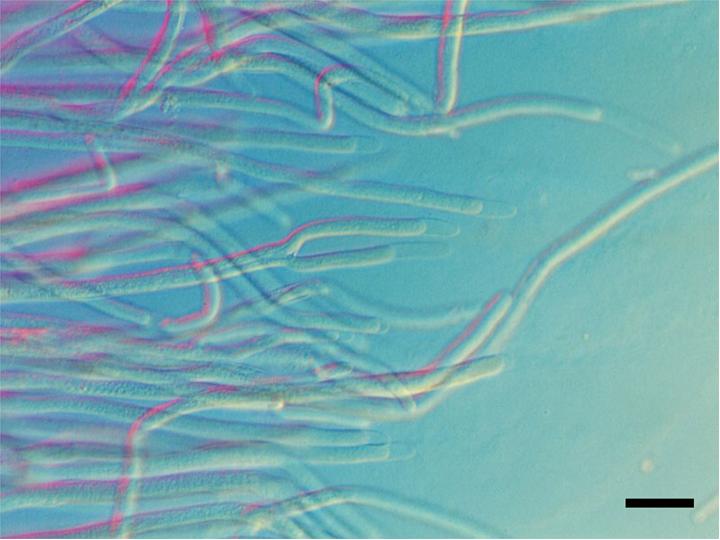
In cases of oral lesions, culturing Geotrichum in great numbers often proves to be a good indicator for the presence of geotrichosis in a patient. When analyzed under a microscope, this fungus looks similar to yeast. Its branching is divided into slender threads and can be broken down into chains or separate rectangular cells with flat or rounded ends known as arthrospores.
Selective isolation method
Geotrichum candidum can also be identified using the selective isolation method which is based on how the fungi react to carbon dioxide and novobiocin (an antibiotic also known as albamycin or cathomycin).
Diagnostic imaging
This test is usually reserved for cases of pulmonary geotrichosis and bronchial geotrichosis. However, while X-rays can be utilized to inspect the lung tissue and the interior of the bronchi, they will not provide a clear-cut diagnosis for geotrichosis.
If a patient suffers from pulmonary geotrichosis, an X-ray can indicate the presence of cavities as well as smooth, dense patchy infiltrations in the lungs. Moreover, the lung tissue may indicate changes that are similar to those found in lungs affected by tuberculosis.
In cases where patients suffer from bronchial geotrichosis, an X-ray will reveal the thickening of the bronchial tissues. Moreover, the middle or the base of the patient’s lungs may be marked with spots.
This test can be performed by Genova Diagnostics: for this test, the patient will have to send stool samples to the lab where they will be analyzed. If the culture reveals the presence of Geotrichum, your physician may request to assess how permeable your intestines are (this is to rule out leaky gut).
Based on the test’s results, your physician will be able to determine which remedy would be the most effective in eradicating the organisms identified.
Comprehensive Parasitology Stool test
Using a very powerful microscope, this innovative diagnostic tool analyzes stool samples for the presence of yeasts such as Geotrichum and Candida albicans as well as various parasites and bacteria. This test can be used to detect the presence of yeast overgrowth (including an overgrowth of Geotrichum candidum) which can contribute to irritable bowel syndrome (IBS). Based on the test’s results, the most effective remedies will be listed.
Can this condition be treated? What are the available treatments?
Generally, geotrichosis has a good prognosis and, in most cases, patients successfully recover from this illness. However, you should know that no standard treatment is available for this disease. As such, two individuals suffering from geotrichosis may be offered two completely different treatments. This being said, the treatment of pulmonary geotrichosis will typically include potassium iodine, sulfonamides (antibacterial drugs) or the antibiotic colistin.
This being said geotrichosis can be treated using different antimicrobial and antifungal compounds. Your physician will also recommend proper bed rest so as to allow your immune system to strengthen. The most common treatments for geotrichosis are outlined below.
Miconazole and ketoconazole
These two compounds are antifungal agents that can kill the fungus Geotrichum by acting on the fungus’ cell membrane, causing the contents of the fungal cells to spill out. These substances also prevent the fungus from growing and multiplying. As such, they can help prevent recurrent infections with Geotrichum. Studies have shown that miconazole and ketoconazole can improve cutaneous, bronchopulmonary, intestinal and even joint conditions.
Miconazole can be obtained as a spray liquid, a cream, a lotion, a powder and even as a suppository to be inserted into the vagina. Ketoconazole is usually prescribed as an oral treatment to treat serious yeast or fungi infections.
This is another type of anti-fungal medication used to treat infections of the mouth, intestinal tract, and vagina. This drug can be purchased as a tablet, capsule or liquid to be taken orally. Soft lozenges are also available.
If you suffer from vaginal geotrichosis, your physician may recommend a vaginal cream. Powders, ointments, and creams are available for cutaneous geotrichosis.
Iodine therapy
This type of therapy is used to kill various types of organisms including molds, yeasts, and fungi. Not only is this treatment effective but it also has very few side effects and does not cause bacterial or yeast resistance. It is usually given as a tincture which is a preparation involving alcohol, water, potassium iodide or sodium iodide and elemental iodine.
Azole drugs
Isoconazole and clotrimazole are two types of azole drugs with antifungal properties. Both have proven to be very effective in the treatment of geotrichosis.
Amphotericin B
Amphotericin B comes in the form of an injection and is used in the treatment of fungal infections that may be lethal. Although it is effective, Amphotericin B also causes numerous side effects and, as such, should not be used to treat mild fungal infections (such as those of the throat, mouth or vagina) in individuals with a normal immune system.
If your physician decides to opt for this treatment, make sure to ask her/him about the health risks associated with Amphotericin B before agreeing to the injection.
As you can see, Geotrichum is a yeast that can be considered as a double-edged sword. While it has some pretty unique, and useful, properties, Geotrichum can cause serious infections especially in individuals with a weakened immune system. If you suspect that you, or a closed one, suffers from geotrichosis, an infection caused by Geotrichum candidum, contact your health care provider immediately. And do not attempt to auto-medicate as this could be very dangerous.
References
William J D.; Berger, G Timothy G.; et al. (2006). Andrews’ Diseases of the Skin: clinical Dermatology., Saunders Elsevier. ISBN 0-7216-2921-0.
Tubitak, 2010, Intestinal geotrichosis in a German shepherd, Turk. J. Vet. Anim. Sci., 34(5): 481-484, doi: 10.3906/vet-0906-56.
Gente S, N, Desmasures, C. Jacopin C,et al.(June 2002). “Intra-species chromosome length polymorphism in Geotrichum candidum revealed by pulsed field gel electrophoresis”. Int.J. Food Microbiol.76 (1-2): 127–34. doi: 10.1016/S0168-1605(02)00023-5. PMID 12038569.
MahendraPl,S. Sunita, S.Anand, S.Tesfaye,2013,Geotrichosis-An OpportunisticMycosis of Humans And Animals,Int. J. Livest. Res..2013; 3(2):38-44.
T C Chagas-Neto, Chaves GM, AL Columbo, .Sept 2008; 166:121-132. Update on genus Trichosporon.Mycopathologica.
Etienne A, A. Datry A, Gaspar N,et al.(May 2008). “Successful treatment of disseminated Geotrichum capitatum infection with a combination of caspofungin and voriconazole in an immunocompromised patient”. Mycoses 51(3): 270–2. doi:10.1111/j.1439 0507.2007.01484.x. PMID 18399909.
Huamin H. Li, M. A Kaliner, more… Jul 1, 2013, Angioedema, Medscape.
Nemet C, 2006, Parazitoze Umane, Epidemiologie, Clinica, Tratament, Editura University Press – Targu Mures, ISBN (10), 973-7788-71-0; ISBN(13) 978-973-7788-71-9., pag.18-65.
Bonifaz A, D.Vázquez-González ,B.Macías , F.Paredes-Farrera , MA.Hernández,, J.Araiza , RM,Ponce , sep 2010,Oral geotrichosis: report of 12 cases, Department ofMycology, General Hospital of Mexico, Col. Doctores, Mexico, D.F., J Oral Sci. 52(3):477-83.
Bouakline A, Lacroix C, Roux N, Gangneux JP, Derouin F. Fungal contamination of food in hematology units. J Clin Microbiol 2000; 38: 4272 4273.
Sutton DA, Fothergill AW, Rinaldi MG (eds). Guide to Clinically Significant Fungi, 1st edn. Baltimore: Wilkins & Wilkins, 1998.
Kassamali H, Anaissie E, Ro J, et al. Disseminated Geotrichum candidum infection. J Clin Microb 1987; 25: 1782 1783.
Sheklakov ND, Milich MV (eds). Mycoses in Man, 1st edn. Moscow: MIR Publishers, 1974.
Gabriel is a young man who enjoys biking and jogging with his beagle in the mornings and evenings. He has been able to reduce his work from three jobs to one full time and one part time position so that he can begin college. Over the last five or six months he has not been eating as much because his appetite has decreased significantly.
At first Gabriel thought the appetite loss was only because of stress, but after a weekend trip with his family into the mountains where he would normally be revitalized, his hunger did not improve. He forced himself to eat the foods he loved: anything from a spinach and parmesan salad to chicken, rice, and corn on the cob, but he would often feel sick after a meal.
Even sticking to a simple diet of rice and bananas left Gabriel’s stomach feeling strange, which he described as being hungry but not being able to eat anymore. He has tried multiple probiotics, but has not noticed any significant improvement. He has started to lose weight, but not drastically, as he has only noticed seven pounds over the last four months. Gabriel wants to know if he could have a candida infection, and what he can do to feel better.
One consideration for appetite loss is overall mood. The gut and brain relationship is important to understand for any health concern. Depression can cause both hunger loss or hunger cravings depending on the individual. Recent studies have shown that the gut and brain have a closer relationship than many realize, particularly with anxiety, stress, and depression.
A healthy balance of probiotics affects mood, cravings, and energy. All of these relate to appetite regulation as well as the brain and gut work together. As an example, people who stay up too late will get hungry and need a “midnight snack,” even if they have eaten enough for the day. They tend to snack on sugary foods for energy, and eat more than necessary as their body tries to maintain energy since they are not sleeping and their circadian cycle is disrupted. This connection may seem apparent, and the same principle can be applied to how the gut and brain work together.
Even if stress is not felt or known, those who lead active and busy lives put their body through stress. A lack of sleep, a constant overactive mind, commuting, and taking on many activities can put the body under stress. This will affect the digestive tract, especially if poor choices are made for eating when preparing meals is difficult.
Taking ten to twenty minutes a day to meditate, or at least be conscious of breath, supports relaxation. A good probiotic such as Canxida Restore supports healthy digestion through time released, beneficial probiotics. The Canxida Restore pills are shelf-stable and are therefore easy to take for those who are not home often.
Adrenal Glands, Thyroid, and Appetite
Continual adrenaline from stress can affect the thyroid and adrenal glands, which also work to regulate appetite. The adrenal glands release cortisol, which helps prepare the body for survival in stressful environments. Cortisol also helps to metabolize protein, sugar, fat, and carbohydrates into energy. When cortisol is released in healthy amounts, it helps the body function.
When cortisol levels are continually too high, this can cause poor sleep and overall burnout. Inflammatory and autoimmune responses are sent throughout the body when cortisol is imbalanced. Weight gain and loss, ongoing fatigue, brain fog, and insomnia are indicators of adrenal burnout. Sugar and salt cravings are common.
On the opposite side of cortisol, Addison’s disease is the common diagnosis for adrenal insufficiency. This occurs when not enough cortisol is produced and the adrenals shrink. Appetite loss, along with ongoing fatigue, muscle weakness, and general queasiness in the stomach are symptoms of adrenal insufficiency.
Loss of appetite is a common indicator in both hyperthyroidism (an overactive thyroid) and hypothyroidism (an underactive thyroid). Rapid weight loss, trouble with memory, hair loss, ongoing fatigue, dry hair and skin, and tingling and pain in the wrist, hands, or feet are other hyperthyroidism symptoms. Weight gain, an intolerance to cold, exhaustion, depression, dry skin and brittle nails are signs of hypothyroidism.
Vitamin B-12 Deficiency
Nutrient deficiencies due to diet and poor nutrient absorption, known as malabsorption, will affect health. Vitamin B-12 deficiency is common in vegetarians and vegans, however anyone is prone to malabsorption. Malabsorption of nutrients may be a health condition, but could also be related to leaky gut syndrome or candida overgrowth as these block the gut’s ability to properly digest food.
B-12 deficiency symptoms include a loss of appetite, along with trouble sleeping, heart palpitations, trouble breathing, and fatigue or weakness. B-12 shots and supplements are common, but if continual malabsorption is possible because of candida, parasites, or another cause, a more thorough blend such as Canxida Rebuild contains B-12 and other nutrients to support repairing the gut and promoting healthy immune function.
Candida and Appetite Loss
Loss of appetite is a common symptom of candida overgrowth, just as having a cold or flu often causes loss of appetite because the body is sick. On the opposite end, some people crave foods high in carbohydrates and sugar, as these nourish candida and worsen the overgrowth.
The lack of appetite can relate to the gut and affect emotional wellbeing. One cause of candida overgrowth is stress, and a couple of common symptoms are depression and fatigue. Since probiotics interact with the brain, poor digestion and stress can spiral into an overactive immune system that weakens the body and allows candida to multiply at unhealthy levels.
While probiotics are critical for managing candida, other natural foods and supplements can be taken to promote healing so that the probiotics can flourish in the gut. When the gut’s environment is unhealthy, probiotics will have a hard time working to restore health. CanXida Remove along with a healthy probiotic can work to clear the gut of excess candida, bacteria, and even parasites.
Other Considerations
Liver disease, pneumonia, respiratory infections, and kidney infections can affect appetite. Digestive disorders that are potentially related to candida and affect appetite include celiac disease, Crohn’s disease, and irritable bowel syndrome. Doctors can test for these more serious health concerns if results for other conditions come back negative.
When determining what the cause may be for loss of appetite, simple solutions may temporarily help and improve the situation. Instead of planning on two-three meals a day, eat smaller meals 4-6 times per day. Bland foods are easier to digest, and ginger tea can help support nausea. Avoid thick sauces, spicy foods, and over-processed foods.
Taking time to meditate or practice a relaxation-focused exercise such as a gentle walk or yoga can counter a busy lifestyle that puts stress on the body. Stress and sleep are related, and going to bed at an earlier hour support healthy sleep patterns for many individuals. Turning off electronics at least twenty minutes before bed will promote a healthy sleep cycle.
 Candida infections can lead to deeper health concerns, and visa versa. Katherine is a young woman who has had fast metabolism growing up, but now that she is in college, she has noticed some weight gain. She knows this is not unusual, but she is continually fatigued, sick with a low immune system, and goes through mood swings often.
 Miranda is a young woman who has experienced multiple yeast infections and tried everything that she knows of to cure them. She has taken multiple prescriptions, and only Nexium works as a temporary solution. She has taken laxatives from the advice of her friends, but the side effects of bloating and even more constipation only worsen with time.