Category Archives: Other Issues

Geotrichum and Yeast Infection: Are They Connected?

Geotrichum

Geotrichum: sounds like quite a fancy name, right? Well, you might be surprised to learn that you’ve most definitely been exposed to this yeast more than once! After all, we all breathe in Geotrichum spores on a daily basis. But don’t let this scare you: Geotrichum poses a serious threat to some individuals only in very rare cases. For most of us, this yeast is harmless and can actually be pretty useful. Check out this article to discover impressive facts about this yeast.

What is Geotrichum?

Our intestinal tract is inhabited by millions of bacteria and one of them is Geotrichum. This yeast, which belongs to the Endomyceteaceae family, exists as various species. It is considered a commensal yeast since it typically lives in the human body (from which it obtains foods and other benefits) but neither hurts nor helps it. In fact, many species of Geotrichum have been isolated from the stools and sputum (a mixture of saliva and mucus from the respiratory tract) of humans.

Did you know? Geotrichum can be found in approximately 30% of healthy individuals! This fungus likes to live on dead cells in the oral and intestinal mucous membrane.

Related articles:

Besides the human body, where can it be found?

Geotrichum is often called the ‘cosmopolitan fungus’ since this yeast feels ‘at home’ in a multitude of areas. In fact, this type of fungus can be found everywhere around the globe – from the soil to sewage pipes and on plants. Moreover, it also thrives in milk, on decaying meat and fruits as well as in rug dust and on damp walls.

Other places where Geotrichum can be found include:

  • Rotting bread and vegetables
  • Fruit juices
  • Cereals
  • Polluted water
  • Paper pulp
  • Textiles

How was it discovered?

In 1809, Johann Heinrich Friedrich Link, a German naturalist and botanist, discovered several species of yeast on rotting leaves. To facilitate the classification of these various species, he defined a new genus (class of organisms that share common characteristics). He then decided to call this genus ‘Geotrichum’. Since that time, more than 130 classification methods have been described to help identify organisms that belong to this genus.

What does it look like?

Geotrichum, which often appears as off-white and cream, has a butyrous (a tissue or bacterial growth of butter like consistency) texture as well as a silky look. This yeast forms colonies that grow rapidly in a fine pattern that looks like suede.

How does it grow?

When studying Geotrichum, scientists noticed that colonies of this yeast-like fungus tend to grow better at temperatures ranging from 25oC to 30oC. They also discovered that the growth of this yeast can be limited at 37oC.

What are the uses of Geotrichum?

Most of us probably consider fungus as a relatively disgusting nuisance. However, Geotrichum is not just another fungus: it actually plays a very important role in the production of some highly prized foods. Does this revolt you? Yes? Well, don’t be: I am sure you’ve enjoyed some of these foods at least once in your life. Keep scrolling – you’re in for a few surprises.

  • Production of cheese

Next time you stop by the cheese shop, try to take a closer look at the available cheeses made from goat’s milk. I can assure you that you won’t be able to miss the many wrinkles on the surface of the cheese!

Well, guess what is behind the wrinkles and cream colored rinds on these cheeses? You’re right: the yeast Geotrichum. Or more specifically, the species Geotrichum candidum. The fungus Geotrichum candidum thrives on most cheeses in the very first stages of the ripening process. On soft cheeses such as Camembert and semi-hard cheeses such as St. Nectaire and Reblochon, the chemical processes occurring within this fungus are what influence the way cheese ripen.

And if you’re into natural cheese making, you can even buy Geotrichum candidum online!

Benjamin Wolfe, a famous microbiologist, said that these species of Geotrichum are “kind of a ‎confused yeast. Geotrichum is an ancestral yeast. Yeasts are derived from mold so this is a type of yeast in ‎transition.”‎

Did you know? The French owe part of their great success in cheese production to the amount of fungi that colonize their cheese during the ripening stage!

  • Chocolate production

You probably love eating chocolate, don’t you? Well, let me ask you something: have you ever stopped to wonder how it is made?

As weird as this may sound, your favorite chocolate would never have come into existence without fungi! You see, although fungi are not considered as ingredients of chocolate, they are still of utter importance both in the growth of the cacao tree and in the production of chocolate.

Although it is unclear how humans came to eat the bitter seeds of the cacao tree, history suggests that early humans probably tried consuming some rotten cacao seeds and found them to be scrumptious!

To better understand how these bitter seeds can become so delicious, food scientists conducted extensive research and made an amazing discovery. They found out that the seeds from the cacao tree can become delicious in a very simple process, namely fermentation! When these little beans are fermented and have partly decayed, their unpleasant taste is naturally replaced by a most delightful one.

How does the fermentation process happen?

Geotrichum and Candida krusei are the two fungi needed in the fermentation of the cacao seeds. As they are often present on these pods, fermentation occurs naturally. However, since natural fermentation occurs very slowly, another technique is used in the manufacturing of chocolate nowadays. Instead of letting these seeds decay on their own, specific strains of Geotrichum and Candida krusei are added to the cacao tree. These strains, which are carefully selected, are what give a unique flavor and aroma to the chocolate.

Now that you know what Geotrichum is and how it has impressive uses, let’s move to the not-so-nice aspects of this yeast.

What are the different types of Geotrichum that exist?

As mentioned earlier, the Geotrichum family is composed of various species. The most popular species are listed below:

  • Geotrichum candidum
  • Geotrichum clavatum
  • Geotrichum fici

Does it cause infections?

Short answer: Yes. In fact, studies have shown a direct link between Geotrichum and several infections. Some of these include infections of:

Moreover, besides infectious complications, there are some cases where sensitive individuals reported allergic and asthmatic reactions after they were contaminated by Geotrichum.

Scientists have also reported that Geotrichum infection could lead to enteritis which involves the inflammation of the small intestine and usually causes diarrhea.

What is the link between Geotrichum and geotrichosis?

Geotrichum candidum, the most common species of the fungi Geotrichum, is the agent that is responsible for a rare disease known as geotrichosis. Yes, that’s the same fungi we can use to make cheese!

Geotrichosis can either be localized and affect a single organ or it can become a systemic disease affecting the entire body. This infection can occur in both humans and animals.

Who is particularly at risk of developing geotrichosis?

Geotrichosis mainly affects individuals who are immunocompromised such as those diagnosed with cancer, diabetes mellitus, leucosis, and HIV. People who undergo renal transplant may also be more vulnerable to geotrichosis.

How can I know if I have been infected with Geotrichum candidum? What are the symptoms to be wary of?

An infection with Geotrichum candidum can cause various symptoms depending on which part of your body is affected. As such, there are various forms of geotrichosis:

Pulmonary geotrichosis, the most frequent form of the disease, involves the lungs and can occur after a bout of tuberculosis, an infection that can significantly weaken the host’s immune system.

The symptoms include a cough with a clear or yellow sputum as well as light to medium rales – these are abnormal respiratory sounds which are heard with a stethoscope. Individuals who contract this infection may also produce light or thick, gray sputum that may be stained with blood. Pulmonary geotrichosis may also cause fever, a little debilitation, an increased heartbeat but no chest pain, a rise in the blood’s concentration of white blood cells as well as intermittent wheezing.

Bronchial geotrichosis, as the name suggests, affects the bronchi, the two tubes which branch off the windpipe and transport air to the lungs. The infection, which does not affect the lungs, is contained within the bronchi since, in this case, Geotrichum candidum will grow only inside these two tubes.

The symptoms, which resemble allergic reactions due to aspergillosis, include medium to coarse rales as well as a deep, chronic cough and gelatinous sputum. Individuals suffering from bronchial geotrichosis will usually present with a normal pulse, no breathing problems, and no fever – elevated pulse and respiratory issues are quite rare.

Candida albicans may also colonize the bronchi in cases of bronchial geotrichosis. This usually occurs in individuals diagnosed with chronic obstructive lung disease.

Cutaneous geotrichosis exists in two forms namely a superficial infection or a deep one. In the superficial form of the disease, the yeast will colonize skin folds such as those below the breasts, in the groin area, around the anus, and between the fingers. As you may have guessed, the deep form is more severe – in this case, the infection will cause nodules, tumors, and ulcers to grow on the infected person’s face, hands and legs. This type of infection may also lead to the formation of a cystic lesion on the skin.

Oral geotrichosis has, for a long time, been mistaken for thrush. This usually involves whitish plaques in the mouth, accompanied by a burning sensation.

Gastrointestinal geotrichosis involves enterocolitis, the medical term denoting an inflammation of both the small intestine and the colon. Common symptoms include diarrhea.

This condition usually occurs following a glutamic acid therapy and typically resolves once the therapy is stopped. It is possible that, in this condition, the glutamic acid therapy causes the yeast to produce toxins that cause symptoms.

Vaginal geotrichosis has also been mistaken for thrush, just like oral geotrichosis. Symptoms include a whitish plaque and burning sensation in the vaginal area. This infection mostly affects pregnant women and is often connected to vaginitis.

If you suspect an infection or notice any of the above-mentioned symptoms, please make sure to contact your healthcare provider immediately.

Are there any differences between symptoms of geotrichosis and those of candidiasis?

Interestingly, scientists have reported that symptoms of geotrichosis may look like those of candida yeast overgrowth. Some of these symptoms are:

  • Chronic fatigue
  • Mood swings
  • Regular vaginal and urinary infections
  • Oral infections
  • Infections of the sinuses
  • Skin and nail infections
  • Intestinal complications
  • Inability to concentrate properly
  • Hormonal imbalance

What are the tests available to diagnose geotrichosis?

If you, or your physician, suspect that you may be suffering from geotrichosis, your physician will usually request that you do the following tests.

  • Laboratory culture

Without using culture or doing microscopic evaluations, it is not possible to diagnose geotrichosis since, as you might have noticed from the information described above, symptoms are very similar to those of other infections.

As such, to diagnose geotrichosis, a sample of the fungi causing the infection will be collected from the infected areas and sent to a laboratory for analysis. For instance, if oral geotrichosis is suspected, lesions or ulcers in the mouth will be gently scraped. Otherwise, pus and mucus samples from the stools will be collected. The person’s sputum may also be collected – laboratory technicians will look for white flakes that will be further examined.

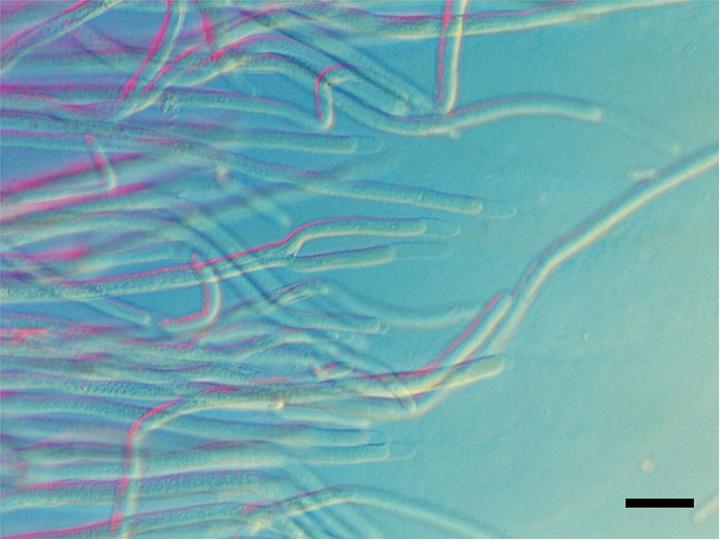
In cases of oral lesions, culturing Geotrichum in great numbers often proves to be a good indicator for the presence of geotrichosis in a patient. When analyzed under a microscope, this fungus looks similar to yeast. Its branching is divided into slender threads and can be broken down into chains or separate rectangular cells with flat or rounded ends known as arthrospores.

  • Selective isolation method

Geotrichum candidum can also be identified using the selective isolation method which is based on how the fungi react to carbon dioxide and novobiocin (an antibiotic also known as albamycin or cathomycin).

  • Diagnostic imaging

This test is usually reserved for cases of pulmonary geotrichosis and bronchial geotrichosis. However, while X-rays can be utilized to inspect the lung tissue and the interior of the bronchi, they will not provide a clear-cut diagnosis for geotrichosis.

If a patient suffers from pulmonary geotrichosis, an X-ray can indicate the presence of cavities as well as smooth, dense patchy infiltrations in the lungs. Moreover, the lung tissue may indicate changes that are similar to those found in lungs affected by tuberculosis.

In cases where patients suffer from bronchial geotrichosis, an X-ray will reveal the thickening of the bronchial tissues. Moreover, the middle or the base of the patient’s lungs may be marked with spots.

This test can be performed by Genova Diagnostics: for this test, the patient will have to send stool samples to the lab where they will be analyzed. If the culture reveals the presence of Geotrichum, your physician may request to assess how permeable your intestines are (this is to rule out leaky gut).

Based on the test’s results, your physician will be able to determine which remedy would be the most effective in eradicating the organisms identified.

  • Comprehensive Parasitology Stool test

Using a very powerful microscope, this innovative diagnostic tool analyzes stool samples for the presence of yeasts such as Geotrichum and Candida albicans as well as various parasites and bacteria. This test can be used to detect the presence of yeast overgrowth (including an overgrowth of Geotrichum candidum) which can contribute to irritable bowel syndrome (IBS). Based on the test’s results, the most effective remedies will be listed.

Related articles:

Can this condition be treated? What are the available treatments?

Generally, geotrichosis has a good prognosis and, in most cases, patients successfully recover from this illness. However, you should know that no standard treatment is available for this disease. As such, two individuals suffering from geotrichosis may be offered two completely different treatments. This being said, the treatment of pulmonary geotrichosis will typically include potassium iodine, sulfonamides (antibacterial drugs) or the antibiotic colistin.

This being said geotrichosis can be treated using different antimicrobial and antifungal compounds. Your physician will also recommend proper bed rest so as to allow your immune system to strengthen. The most common treatments for geotrichosis are outlined below.

  • Miconazole and ketoconazole

These two compounds are antifungal agents that can kill the fungus Geotrichum by acting on the fungus’ cell membrane, causing the contents of the fungal cells to spill out. These substances also prevent the fungus from growing and multiplying. As such, they can help prevent recurrent infections with Geotrichum. Studies have shown that miconazole and ketoconazole can improve cutaneous, bronchopulmonary, intestinal and even joint conditions.

Miconazole can be obtained as a spray liquid, a cream, a lotion, a powder and even as a suppository to be inserted into the vagina. Ketoconazole is usually prescribed as an oral treatment to treat serious yeast or fungi infections.

This is another type of anti-fungal medication used to treat infections of the mouth, intestinal tract, and vagina. This drug can be purchased as a tablet, capsule or liquid to be taken orally. Soft lozenges are also available.

If you suffer from vaginal geotrichosis, your physician may recommend a vaginal cream. Powders, ointments, and creams are available for cutaneous geotrichosis.

  • Iodine therapy

This type of therapy is used to kill various types of organisms including molds, yeasts, and fungi. Not only is this treatment effective but it also has very few side effects and does not cause bacterial or yeast resistance. It is usually given as a tincture which is a preparation involving alcohol, water, potassium iodide or sodium iodide and elemental iodine.

  • Azole drugs

Isoconazole and clotrimazole are two types of azole drugs with antifungal properties. Both have proven to be very effective in the treatment of geotrichosis.

  • Amphotericin B

Amphotericin B comes in the form of an injection and is used in the treatment of fungal infections that may be lethal. Although it is effective, Amphotericin B also causes numerous side effects and, as such, should not be used to treat mild fungal infections (such as those of the throat, mouth or vagina) in individuals with a normal immune system.

If your physician decides to opt for this treatment, make sure to ask her/him about the health risks associated with Amphotericin B before agreeing to the injection.

As you can see, Geotrichum is a yeast that can be considered as a double-edged sword. While it has some pretty unique, and useful, properties, Geotrichum can cause serious infections especially in individuals with a weakened immune system. If you suspect that you, or a closed one, suffers from geotrichosis, an infection caused by Geotrichum candidum, contact your health care provider immediately. And do not attempt to auto-medicate as this could be very dangerous.

References

  • William J D.; Berger, G Timothy G.; et al. (2006). Andrews’ Diseases of the Skin: clinical Dermatology., Saunders Elsevier. ISBN 0-7216-2921-0.
  • Tubitak, 2010, Intestinal geotrichosis in a German shepherd, Turk. J. Vet. Anim. Sci., 34(5): 481-484, doi: 10.3906/vet-0906-56.
  • Gente S, N, Desmasures, C. Jacopin C,et al.(June 2002). “Intra-species chromosome length polymorphism in Geotrichum candidum revealed by pulsed field gel electrophoresis”. Int.J. Food Microbiol.76 (1-2): 127–34. doi: 10.1016/S0168-1605(02)00023-5. PMID 12038569.
  • MahendraPl,S. Sunita, S.Anand, S.Tesfaye,2013,Geotrichosis-An OpportunisticMycosis of Humans And Animals,Int. J. Livest. Res..2013; 3(2):38-44.
  • T C Chagas-Neto, Chaves GM, AL Columbo, .Sept 2008; 166:121-132. Update on genus Trichosporon.Mycopathologica.
  • Etienne A, A. Datry A, Gaspar N,et al.(May 2008). “Successful treatment of disseminated Geotrichum capitatum infection with a combination of caspofungin and voriconazole in an immunocompromised patient”. Mycoses 51(3): 270–2. doi:10.1111/j.1439 0507.2007.01484.x. PMID 18399909.
  • Huamin H. Li, M. A Kaliner, more… Jul 1, 2013, Angioedema, Medscape.
  • Nemet C, 2006, Parazitoze Umane, Epidemiologie, Clinica, Tratament, Editura University Press – Targu Mures, ISBN (10), 973-7788-71-0; ISBN(13) 978-973-7788-71-9., pag.18-65.
  • Bonifaz A, D.Vázquez-González ,B.Macías , F.Paredes-Farrera , MA.Hernández,, J.Araiza , RM,Ponce , sep 2010,Oral geotrichosis: report of 12 cases, Department ofMycology, General Hospital of Mexico, Col. Doctores, Mexico, D.F., J Oral Sci. 52(3):477-83.
  • Bouakline A, Lacroix C, Roux N, Gangneux JP, Derouin F. Fungal contamination of food in hematology units. J Clin Microbiol 2000; 38: 4272 4273.
  • Sutton DA, Fothergill AW, Rinaldi MG (eds). Guide to Clinically Significant Fungi, 1st edn. Baltimore: Wilkins & Wilkins, 1998.
  • Kassamali H, Anaissie E, Ro J, et al. Disseminated Geotrichum candidum infection. J Clin Microb 1987; 25: 1782 1783.
  • Sheklakov ND, Milich MV (eds). Mycoses in Man, 1st edn. Moscow: MIR Publishers, 1974.
Loss of Appetite And Candida: Is There A Connection?

candida and appetite

Gabriel is a young man who enjoys biking and jogging with his beagle in the mornings and evenings. He has been able to reduce his work from three jobs to one full time and one part time position so that he can begin college. Over the last five or six months he has not been eating as much because his appetite has decreased significantly.

At first Gabriel thought the appetite loss was only because of stress, but after a weekend trip with his family into the mountains where he would normally be revitalized, his hunger did not improve. He forced himself to eat the foods he loved: anything from a spinach and parmesan salad to chicken, rice, and corn on the cob, but he would often feel sick after a meal.

Even sticking to a simple diet of rice and bananas left Gabriel’s stomach feeling strange, which he described as being hungry but not being able to eat anymore. He has tried multiple probiotics, but has not noticed any significant improvement. He has started to lose weight, but not drastically, as he has only noticed seven pounds over the last four months. Gabriel wants to know if he could have a candida infection, and what he can do to feel better.

Related articles:

Appetite, Gut, and Probiotics

One consideration for appetite loss is overall mood. The gut and brain relationship is important to understand for any health concern. Depression can cause both hunger loss or hunger cravings depending on the individual. Recent studies have shown that the gut and brain have a closer relationship than many realize, particularly with anxiety, stress, and depression.

A healthy balance of probiotics affects mood, cravings, and energy. All of these relate to appetite regulation as well as the brain and gut work together. As an example, people who stay up too late will get hungry and need a “midnight snack,” even if they have eaten enough for the day. They tend to snack on sugary foods for energy, and eat more than necessary as their body tries to maintain energy since they are not sleeping and their circadian cycle is disrupted. This connection may seem apparent, and the same principle can be applied to how the gut and brain work together.

Even if stress is not felt or known, those who lead active and busy lives put their body through stress. A lack of sleep, a constant overactive mind, commuting, and taking on many activities can put the body under stress. This will affect the digestive tract, especially if poor choices are made for eating when preparing meals is difficult.

Taking ten to twenty minutes a day to meditate, or at least be conscious of breath, supports relaxation. A good probiotic such as Canxida Restore supports healthy digestion through time released, beneficial probiotics. The Canxida Restore pills are shelf-stable and are therefore easy to take for those who are not home often.

Adrenal Glands, Thyroid, and Appetite

Continual adrenaline from stress can affect the thyroid and adrenal glands, which also work to regulate appetite. The adrenal glands release cortisol, which helps prepare the body for survival in stressful environments. Cortisol also helps to metabolize protein, sugar, fat, and carbohydrates into energy. When cortisol is released in healthy amounts, it helps the body function.

When cortisol levels are continually too high, this can cause poor sleep and overall burnout. Inflammatory and autoimmune responses are sent throughout the body when cortisol is imbalanced. Weight gain and loss, ongoing fatigue, brain fog, and insomnia are indicators of adrenal burnout. Sugar and salt cravings are common.

On the opposite side of cortisol, Addison’s disease is the common diagnosis for adrenal insufficiency. This occurs when not enough cortisol is produced and the adrenals shrink. Appetite loss, along with ongoing fatigue, muscle weakness, and general queasiness in the stomach are symptoms of adrenal insufficiency.

Loss of appetite is a common indicator in both hyperthyroidism (an overactive thyroid) and hypothyroidism (an underactive thyroid). Rapid weight loss, trouble with memory, hair loss, ongoing fatigue, dry hair and skin, and tingling and pain in the wrist, hands, or feet are other hyperthyroidism symptoms. Weight gain, an intolerance to cold, exhaustion, depression, dry skin and brittle nails are signs of hypothyroidism.

Vitamin B-12 Deficiency

Nutrient deficiencies due to diet and poor nutrient absorption, known as malabsorption, will affect health. Vitamin B-12 deficiency is common in vegetarians and vegans, however anyone is prone to malabsorption. Malabsorption of nutrients may be a health condition, but could also be related to leaky gut syndrome or candida overgrowth as these block the gut’s ability to properly digest food.

B-12 deficiency symptoms include a loss of appetite, along with trouble sleeping, heart palpitations, trouble breathing, and fatigue or weakness. B-12 shots and supplements are common, but if continual malabsorption is possible because of candida, parasites, or another cause, a more thorough blend such as Canxida Rebuild contains B-12 and other nutrients to support repairing the gut and promoting healthy immune function.

Candida and Appetite Loss

Loss of appetite is a common symptom of candida overgrowth, just as having a cold or flu often causes loss of appetite because the body is sick. On the opposite end, some people crave foods high in carbohydrates and sugar, as these nourish candida and worsen the overgrowth.

The lack of appetite can relate to the gut and affect emotional wellbeing. One cause of candida overgrowth is stress, and a couple of common symptoms are depression and fatigue. Since probiotics interact with the brain, poor digestion and stress can spiral into an overactive immune system that weakens the body and allows candida to multiply at unhealthy levels.

While probiotics are critical for managing candida, other natural foods and supplements can be taken to promote healing so that the probiotics can flourish in the gut. When the gut’s environment is unhealthy, probiotics will have a hard time working to restore health. CanXida Remove along with a healthy probiotic can work to clear the gut of excess candida, bacteria, and even parasites.

Other Considerations

Liver disease, pneumonia, respiratory infections, and kidney infections can affect appetite. Digestive disorders that are potentially related to candida and affect appetite include celiac disease, Crohn’s disease, and irritable bowel syndrome. Doctors can test for these more serious health concerns if results for other conditions come back negative.

Related articles:

Prevention and Care

When determining what the cause may be for loss of appetite, simple solutions may temporarily help and improve the situation. Instead of planning on two-three meals a day, eat smaller meals 4-6 times per day. Bland foods are easier to digest, and ginger tea can help support nausea. Avoid thick sauces, spicy foods, and over-processed foods.

Taking time to meditate or practice a relaxation-focused exercise such as a gentle walk or yoga can counter a busy lifestyle that puts stress on the body. Stress and sleep are related, and going to bed at an earlier hour support healthy sleep patterns for many individuals. Turning off electronics at least twenty minutes before bed will promote a healthy sleep cycle.

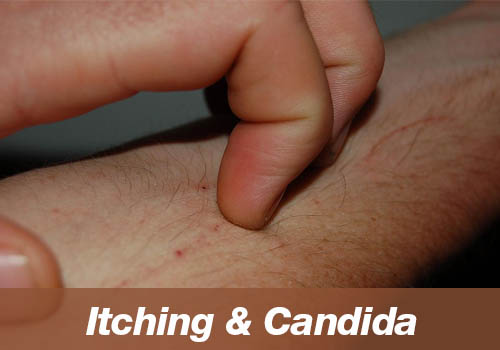
Can Candida Cause Itching Arms?

candida and itching connection

Susan’s arms have been itching for months, especially on the inner skin between the elbow and shoulder, and near the underarms. At first she thought it was a bug bite, but as the skin would turn raw and red from scratching, begin to heal, and then worsen, she was at a loss. Going to the gym has become painful and embarrassing, as Susan used to enjoy toning her arms with free weights and taking a light jog on the treadmill.

Doctors have given Susan anti-itching cream, cream for dry skin, antihistamines for possible allergy attacks, and psoriases cream. She has bought numerous creams over the counter, and as she puts it, has enough half-filled tubes to fill an Olympic size swimming pool.

Susan mentioned that she has been diligent in applying the creams, and has taken internal supplements such as acidophilus bifidus in half a billion. She has also experienced vaginal itching. Susan doesn’t notice the problem as much, but thinks that it must be related to her arms. She switched her underwear to cotton instead of polyester and silk, went to an all natural laundry detergent, and has stayed away from any scented body washes and lotions.

Susan is in her early 60s, and went through menopause nearly ten years ago. She knows that it could not be an STD as she has not been sexually active since her divorce fifteen years ago. Susan wants to know if it could be candida, and what she should be doing to alleviate and heal her body.

Related articles:

Vaginal Itching

Vaginal Itching is an important sign for yeast overgrowth. It could also signify an STD, bacterial, parasitic, or stress-related concerns such as GAD (Generalized Anxiety Disorder). If the skin is dry, this may signify psoriasis or eczema. Articles about vaginal itching and how to determine what the underlying cause may be are available.

Itching Arms

Itching is typically the sign of dry skin, especially in winter months where heaters are being used. However, when the itching is constant, around for periods longer than two weeks, and resistant to hydrating lotions and other treatments, an underlying health problem is likely.

Specific itching arms can be the result of several health conditions. If the itching continues for more than two weeks, is severe and disruptive to daily life or sleeping well, or is a symptom along with fatigue, urination or bowl changes, or a rapid change in weight, seeing a doctor is advisable to determine whether there might be a serious health concern.

Brachioradial Pruritus

One of the most common reason for itching arms is brachioradial pruritus (BP). Signs include severe itching, stinging, or burning. There is no rash or other visible evidence. The affected area is usually from the wrist up to the elbow, but the upper arms and shoulders are not uncommon. The cause of BP is unclear, however there are a few hypothesis.

BP may be from neuropathy: a collection of underlying health conditions that result in nerve problems. About one third of diagnosed neuropathies have unknown causes. When doctors cannot diagnose the conditions, they label the neuropathy as idiopathic. More recent evidence suggests that the impinged nerves are because of the cervical spine.

People who have continual and long-term exposure to the sun may develop an allergic reaction. People who have BP and live where drivers sit on the left side in the car have a higher percentage of their left arm being affected. The same is true for those who live in countries where the driver sits on the right side.

For BP treatment, ice packs tend to reduce the itching sensation. Topical capsaicin can relieve pain from neuropathy, while steroid cream may calm the itching and pain. Oatmeal, brewed black tea bags that are cooled, menthol, and antihistamine spray may also suppress the symptoms and promote healing.

External Causes

There are several external conditions that can cause itching. Psoriasis and eczema are not uncommon, and may link to candida. Chickenpox, shingles, hives, lice, and scabies are other possibilities. External skin conditions–particularly those caused by parasitic, viral, or bacterial infections–will often include blisters, small bumps, rashes, and leathery skin.

If there is a circular rash that is inflammed and red, this may be ringworm: a fungal infection that may signify candida overgrowth.

External allergic reactions from household products such as soap, cosmetics, cleaners, or laundry detergent may cause an allergic reaction. Natural allergic reactions, especially from wool or pets, are also possible.

Internal Causes

Itching skin can be a sign of celiac disease, thyroid concerns, iron deficiency, or liver disease. Drug reactions are also possible, and are often accompanied by scaly or thick skin, red spots over the body, and trouble breathing.

One sign of leaky gut and parasites is itching on the body. Both leaky gut and parasitic infections have similar symptoms of candida. A candida cleanse can support healing for these conditions as well, though some diet restrictions and recommendations can differ. Articles on leaky gut and parasites are available to learn more.

A zinc deficiency can cause itching skin. This deficiency can also cause poor absorption of other nutrients, and provides an easier space for parasites, bacteria, and candida to overgrow in the intestinal lining.

Candida and Itching Skin

Candida lives on the skin as well as in the body, and both areas are prone to overgrowth and infection. Cutaneous candidiasis, or candidiasis of the skin, occurs when the fungi multiplies beyond a healthy level. An important sign of cutaneous candidiasis is an inflamed red and itching rash on the skin, usually in folds of the skin.

Anti-fungal creams and powders can alleviate and heal affected parts of the body, however if the infection reoccurs, consider what might be causing the infections. Good hygiene is important to preventing candidiasis of the skin. This includes drying the skin thoroughly after showering, swimming, sweating, or anytime the skin becomes moist. Candida thrives in damp and dark areas. Warm weather, especially for those who sweat, provides an ideal environment for candida to rapidly reproduce. Tight clothing and irregular changes of undergarments are other considerations.

Internally, a weakened immune system has trouble naturally destroying excessive candida. Antibiotics can also weaken the immune system, as these medications destroy both good and bad bacteria. If on an antibiotic, feeling ill, overcoming a sickness, or simply desiring to improve health, an advanced and gentle probiotic such as Canxida Restore is important to take to restore balance in the gut for healthy digestion, immune support, and overall wellbeing.

Related articles:

Remedies and Prevention

No matter how much the skin itches, avoid excessive scratching. Thick skin that has had repeated rubbing and scratching can develop into lichen simplex chronicus (LSC). LSC forms from continued physical injury, including excessive scratching and rubbing of the skin. The itching will only worsen with LSC. Common factors that lead to LSC may be as simple as bug bites and dry skin, or the result of poor circulation, scars, eczema and psoriasis, or anxiety and nervous tension that irritate the skin.

Ice packs and external creams may help for some causes, but many people find that these are only temporary solutions. Natural and comprehensive topical creams are difficult to find, especially if the cause is unknown. Canxida Cream is an example of a gentle solution for a wide variety of skin conditions. Aloe Vera gel soothes and heals irritated skin, while apricot kernel oil is an antioxidant that supports hydration. Olive, oregano, and tea tree leaf oils fight bacterial, parasitic, and fungal infections.

If the cause of itching may be internal, changing to a candida cleanse diet supports those with multiple conditions outside of candida, such as leaky gut or parasitic infections. Regular exercise, good hygiene, and a healthy environment that includes periods of relaxation are important to maintain a healthy body.

Everything You Need to Know about Aspergillus

Wondering what Aspergillus is? No, this has nothing to do with asparagus (although the two kind of sound similar if you ask me). Actually, you may be surprised to learn that most of us may be breathing in Aspergillus spores on a daily basis. But don’t let that scare you: these spores cause infections only in very rare cases. Keep reading to discover interesting facts about this condition.

What is it?

Aspergillus is nothing but a common mold. What makes it ‘special’ is that it is the most widespread mold on our planet. You might be surprised to learn that over 200 different species of this fungi have been identified across the globe! However, only 16 of these species may pose a threat to humans as they can cause infections and illnesses.

Some of the Aspergillus species that have proven to be hazardous to men include:

  • Aspergillus versicolor
  • Aspergillus ustus
  • Aspergillus nidulans
  • Aspergillus fumigatus
  • Aspergillus clavatus

Did you know? Aspergillus got its name from the Latin word ‘Aspergere’ which means ‘to sprinkle’.

Related articles:

Is it true that this type of mold can cause infections?

Aspergillus can cause a disease known as Aspergillosis which can present itself as infections, allergic reactions or fungal overgrowth. However, the fungus does not affect the majority of people.

This being said, those who have weak immune systems (due to autoimmune conditions, a poor lifestyle, HIV/AIDS etc.) or are suffering from lung problems, are at greater risk of contracting an infection.

What are the different types of Aspergillosis? And what are their various symptoms?

Aspergillosis can come in various forms, ranging from mild infections to very severe ones. Let’s talk about some of them and their consequences.

  • Allergic bronchopulmonary aspergillosis (ABPA)

As the name suggests, this kind of aspergillosis affects a person’s lungs. This condition, which is more common among individuals with asthma or cystic fibrosis, occurs when the fungus Aspergillus (more specifically, Aspergillus fumigatus) elicits an extreme immune response. This results in severe inflammation of the lungs.

Most common signs and symptoms

If you take a closer look at this disease’s symptoms and those of asthma, you will find that they are slightly similar. Some of them include:

i. Wheezing
ii. Coughing
iii. Difficulty in breathing
iv. Fever (in rare cases)

  • Allergic Aspergillus sinusitis

As mentioned earlier, individuals with a suboptimal immune system are at a greater risk of being adversely affected by the fungus which can provoke an inflammation in the nose and sinuses.

This is known as fungal sinusitis which may be classified as:

i. Non-invasive fungal sinusitis (fungal overgrowth in the sinuses)
ii. Invasive fungal sinusitis

Most common signs and symptoms

i. Stuffiness
ii. Runny nose
iii. Headache
iv. Reduced ability to smell

  • Pulmonary aspergilloma

Aspergilloma is commonly known as “fungus ball.” As you might have guessed from its name, it refers to a ball of Aspergillus mold. These balls grow when the fungus Aspergillus starts to develop in the lung cavities or attacks healthy tissue. Aspergillomas can also spread to the brain, kidney as well as other parts of the body.

Most common signs and symptoms

i. Cough
ii. Coughing up blood
iii. Difficulty in breathing
iv. Chest pain
v. Fatigue
vi. Fever
vii. Unintentional weight loss

  • Invasive aspergillosis

In most cases, invasive aspergillosis attacks the lungs. It can nevertheless affect other organs as well. If you have a weak immune system, you are more likely to be infected. Generally, conditions such as cancer or AIDS; an organ or stem cell transplant or certain drugs can decrease the amount of white blood cells or weaken the immune system.

Most common signs and symptoms

i. Fever
ii. Chest pain
iii. Cough
iv. Coughing up blood
v. Shortness of breath
vi. Other symptoms can develop if the infection spreads from the lungs to other parts of the body.

  • Cutaneous (skin) aspergillosis

If you have a break in your skin (such as after surgery or a burn wound) in addition to a weak immune system, it will be easier for Aspergillus to enter your body. This can lead to skin infections.

Moreover, for individuals who suffer from invasive aspergillosis, it is more likely that they will develop cutaneous aspergillosis if it spreads from other parts of the body to the skin.

Is there any link between Aspergillus and candida yeast overgrowth?

Aspergillus fungus and candidiasis are not directly linked to each other. However, these two are connected. If you suffer from candida yeast overgrowth, the presence of Aspergillus molds in your house may worsen your condition by:

  • Weakening your immune system. There is one thing that you have to bear in mind: the more you are exposed to molds, the weaker your immune system will get. Consequently, candida yeast present in your gut will be able to multiply easily.
  • Increasing your sensitivity to fungi. Long-term exposure to molds will trigger your immune system. After some time, if you start developing allergies to molds, then your body will tend to react more severely against candida. It is this hyper-sensitivity which will further weaken your immune system and cause inflammation.

What are its causes?

Trying to steer clear from Aspergillus mold is quite impossible. Wondering why? Well, this type of fungus is present everywhere! Whatever country or environment you may think of, you will find it there. If you take a look outside, you will surely find it on trees and rotting leaves. Now, if you inspect your house, you might discover it thriving in your air conditioning and even in some of your food.

Aspergillus mold also grows on:

  • Compost
  • Plants and grain crops
  • Heating systems and insulation
  • Mats
  • Pillows and blankets
  • Household dust
  • Crushed pepper and spices

Is it contagious?

Most scientists consider aspergillosis as being non-contagious. However, some argued that this infectious disease can spread between people in rare circumstances. For example, this can happen if contaminated tools were used in a surgery.

Are there any tests or diagnosis available?

Yes, if you think that you are infected by Aspergillus mold, several tests will help to diagnose whether or not you contracted aspergillosis. Health care providers will first take a look at your medical history. Then, they will examine you and see whether they can detect any signs of this infectious disease. However, since its symptoms may look similar to other diseases, it is sometimes quite hard to diagnose the condition.

You may be requested to do the following diagnostic tests:

  • Imaging tests – These tests usually include a chest X-ray or a computed tomography (CT) test of your lungs or the part of your body that is thought to be infected. A CT test gives information about internal organs that cannot be seen in normal X-rays.
  • Blood tests – If your immune system has become severely weak, a sample of your blood will help to diagnose whether you are suffering from invasive aspergillosis. Moreover, if specific antibodies are found in your blood, this will indicate allergic reactions.
  • Skin tests – Such tests will prove to be very useful if you are suffering from asthma or cystic fibrosis. This is done by injecting a small dose of aspergillus antigen in your lower arm. In case your body reacts to this, a red bump will form at the exact spot or close to where you were injected.
  • Sputum culture – The doctor or technician may take a sample of saliva and mucus that you cough up from your respiratory tract. He will then dye it and test it for evidence of Aspergillus.
  • Biopsy – A sample of affected tissue is removed from your lungs or sinuses and is then analyzed to detect any sign of Aspergillus.

How can this condition be treated? Can you recommend some medications?

Here are some good news for those of you who have been diagnosed with aspergillosis. Thanks to the hard work of scientists, this disease can now be treated in several ways. Let’s walk you through the different treatment options available.

  • Oral corticosteroid medications – If you have allergic bronchopulmonary aspergillosis, your doctor may recommend you to take either solid or liquid oral drugs. Examples include prednisone, prednisolone and methylprednisolone. These drugs are anti-inflammatory and prevent wheezing and coughing from worsening. However, keep in mind that these drugs can promote weight gain and will only control your symptoms – they will not treat the root cause(s) of your condition.
  • Antifungal medications – Depending on the form of allergic aspergillosis that you have been diagnosed with, you may be advised to take different drugs against this fungus.

i. Invasive aspergillosis. Being a more effective drug than others and having fewer side effects, voriconazole is often seen as the best antifungal treatment against invasive pulmonary aspergillosis. If this medication does not have the desired effect on patients or they simply cannot tolerate it, other drugs are available. This includes: itraconazole, amphotericin B, micafungin and posaconazole. In cases where the infection proves to be resistant against these antifungals, caspofungin may be used.

ii. Allergic bronchopulmonary aspergillosis or allergic Aspergillus sinusitis. When treating these two conditions, itraconazole and corticosteroids have proven to be effective.

  • Surgery – Sometimes when fungus balls have developed in your body, you may lose blood excessively. If this happens to you, you will probably be advised to undergo a surgery. This is because, in most cases, antifungal medications are not really helpful against aspergillomas. In such cases, you may be suggested to go through embolization. This process will prevent your blood from flowing to your artery and will, instead, head towards where the fungus ball is, more precisely in your lung cavity. This will stop you from bleeding. However, this can happen again later on.

Is Penicillium linked to this mold?

Does Penicillum sound familiar to you? If this is the case, it is probably because modern scientists discovered certain antibiotics through a type of Penicillium. While you may think that Penicillium is a kind of drug, it is in reality a type of fungus which often resides in soil, rotting vegetation and carpets.

Many people find it hard to differentiate Penicillium from Aspergillus mold. And this is simply because they do not know the meanings of these two genus’ names. Penicillium which comes from the Latin word ‘penicillus’, means brush or more specifically, paint brush. As such, you can picture this mold as a flat or round surface from which comes out many “bristles”.

On the other hand, Aspergillus got its name after aspergillum, a device which is used by Catholic priests. This device is similar to a circle with a handle and has spikes on the outside. For some people, it resembles a toilet bowl brush.

Are mycotoxins linked to this mold?

Mycotoxins. Sounds like a pretty complicated word, right? Well, ‘myco’ simply means fungal. Therefore, this term can be easily understood to refer to toxins which are released by certain types of molds. This category of toxins is considered to be among the most lethal substances that exist.

There are different types of mycotoxins. One of them is aflatoxins, toxins that are primarily produced by a specie of Aspergillus mold known as Flavi. Generally, this type of toxin attacks agricultural products in many parts of the world.

Are yellow molds a form of Aspergillus mold?

If you discovered yellow mold at your place, I bet the first question that came to your mind was: isn’t mold supposed to be black or green? Actually, you may be surprised to learn that there are also white and brown molds. You will often find them in damp areas such as bathrooms, attics, basements or on leaky roof tops. Yellow molds also grow under leaky sinks and around leaky window frames.

Aspergillus is among the most common house molds that exist. Some species of this fungus, which are yellow in color, like to grow in places where water leaks.

How can I get rid of molds?

The presence of molds in your home can only mean one thing: moisture. Generally, once you find out what is causing this problem, you will be able to fix it in no time.

Safety precautions

Before we start talking about how molds can be removed, you need to keep in mind the following: in nearly all cases, Aspergillus is the type of mold that grows in houses. Since it can affect your lungs as well as other organs of your body, you should never forget to wear a pair of goggles, a respirator and disposable gloves when cleaning.

The easiest way of removing house molds

According to the CDC, you only need one cup of bleach, mixed in a gallon of water to get rid of the majority of molds that exists.

Note that there are cases where you will have no other choice but to hire a professional especially if you can smell molds in your house but cannot see any trace of it. This is often due to the spreading of molds inside the walls or ventilation ducts of your house.

What are Mucors? How are they linked to Aspergillus?

If you compare Mucor (a type of mold) to Aspergillus, you will see that they are both quite similar. Mucor resembles Aspergillus fungus in the following ways:

  • It is a mold which can be found in soil, plants and decaying crops.
  • It usually thrives in damp areas such as buildings where there is water damage.
  • Sometimes when people are exposed to some of the Mucor species, they develop allergies and infections.
  • People with a suppressed immune system or who suffer from burn wounds are more prone to contract Mucor infections.

Despite being alike to Aspergillus, Mucor differs to this mold in one way: since most Mucor species cannot grow in warm environments, they cannot cause infections in human beings.

Is mucormycosis and aspergillosis the same?

Once known as zygomycosis, mucormycosis is a rare fungal infection caused by organisms belonging to a group of fungi called mucormycetes or mucoromycotina. Mucormycosis resembles aspergillosis in the following ways:

  • It primarily affects people with suboptimal immune systems.
  • Usually, when individuals inhale mucoromycotina spores, these fungi directly attack their lungs and sinuses. If they enter through a break in their skin, these individuals often end up with cutaneous infections.
  • Mucoromycotina are typically found in the soil or in decaying leaves.

Are there some easily available antifungal remedies?

After many scientific research were conducted, it was discovered that Aspergillus species have a preference for oxygen-rich environments. They usually tend to grow on food like bread, potatoes and nuts. If you are looking for a way to get rid of aspergillosis, try to incorporate the food listed below in your diet.

  • Garlic cloves

Raw garlic gloves have proven to be a very powerful remedy against fungi. Apart from its antimicrobial and blood cleansing properties, garlic contains a compound known as allicin. So, when this extraordinary compound travels through the bloodstream, it destroys any mold present, thus acting as a natural treatment against fungus infection.

  • Goldenseal roots

These roots are very effective when it comes to the elimination of fungus and viruses. Although goldenseal roots are not as strong as other natural antifungals, it is believed that they enhance their effects when taken together.

  • Olive oil and olive leaf extract

Both olive oil and extracts taken from the olives’ leaves were found to contain a chemical known as oleuropein. Thanks to its strong antifungal properties, this amazing chemical has proven to be very effective against molds. Instead of exterminating molds directly, oleuropein causes a disruption in the reproductive cycles of Aspergillus species. As such, they cannot spread anymore and this brings a rapid end to their proliferation.

  • Coconut oil

Coconut oil contains lauric, capric and caprylic acids. Due to their strong anti-fungal properties, these different acids are able to reduce mold and fungi infections. This famous oil also stimulates the immune system and since it is a mild laxative, it successfully flushes dead molds out of the body.

In addition to the above-mentioned natural remedies, make sure to have a balanced diet and drink a lot of water. Our supplement canXida Remove contains some of the best anti-fungal herbs and works great as a supplement to your diet.

Related articles:

What is kombucha? Does it have any connection with this mold?

Kombucha is a fermented tea that is made by incubating a live starter known as a SCOBY in sweet black tea. This health beverage has now become popular and is sold in food stores. Although many people advocate the therapeutic effects of this fermented tea, no scientific studies have been able to say exactly what are its benefits and/or negative effects.

Wondering how Aspergillus is linked to kombucha? Well, some of those who love drinking kombucha tea, have started to grow their own kombucha SCOBY at home. Unfortunately, the SCOBY may often be contaminated by Aspergillus molds. It is feared that amateurs may think that the culture could be decontaminated by simply pulling out the Aspergillus colonies with a utensil. Such a presupposition is not only dangerous but can also prove to be fatal.

In a Newsweek edition, dating April 25th, 1995, Bruce Stordock said: “The water-soluble toxins of Aspergillus can be highly carcinogenic. Several species are known killers. Since the public cannot be expected to distinguish a clean fermented culture from one which is not, I fear that the unreserved use of this tea will result, has resulted in illness, if not death.”

Although Aspergillosis is not a common disease, if you start seeing any of the signs that have been mentioned in this article, please contact your healthcare provider.

References

  • Agarwal R, Chakrabarti A, Shah A, Gupta D, Meis JF, Guleria R, et al. Allergic bronchopulmonary aspergillosis: review of literature and proposal of new diagnostic and classification criteria. Clin Exp Allergy. 2013 Aug;43(8):850-73.
  • Barnes PD, Marr KA. Aspergillosis: spectrum of disease, diagnosis, and treatment. Infect Dis Clin North Am. 2006 Sep;20(3):545-61, vi.
  • Glass D, Amedee RG. Allergic fungal rhinosinusitis: a review. Ochsner J. 2011 Fall;11(3):271-5.
  • Singh N, Bhalodiya NH. Allergic fungal sinusitis (AFS)–earlier diagnosis and management. J Laryngol Otol. 2005 Nov;119(11):875-81.
  • Lee SH, Lee BJ, Jung DY, Kim JH, Sohn DS, Shin JW, et al. Clinical manifestations and treatment outcomes of pulmonary aspergilloma. Korean J Intern Med. 2004 Mar;19(1):38-42.
  • Denning DW, Riniotis K, Dobrashian R, Sambatakou H. Chronic cavitary and fibrosing pulmonary and pleural aspergillosis: case series, proposed nomenclature change, and review. Clin Infect Dis. 2003 Oct 1;37 Suppl 3:S265-80.
  • Schweer KE, Bangard C, Hekmat K, Cornely OA. Chronic pulmonary aspergillosis. Mycoses. 2014 May;57(5):257-70.
  • Van Burik JA, Colven R, Spach DH. Cutaneous aspergillosis. J Clin Microbiol. 1998 Nov; 36(11):3115-21.
  • Stamets P. My adventures with the blob. Mushroom — the Journal (Winter) 1994:5-9.
  • O’Neill M. A magic mushroom or a toxic food? New York Times 1994, December 28:B1, B8.
  • Timmons S. Fungus among us. New Age Journal (November/December) 1994.

Is Labored Breathing a Sign of Candida?

3rdicon

Sarah is concerned about her labored breathing and sore throat. She is in her mid 60s and has had a few instances of labored breathing. Her friends think it is allergy related as she shows no other signs of being sick. She does not know if this is true, but has hired a landscaper and maid to clean her home so that she is not exposed to potential allergens. She has been tested for common food allergies and all results are negative, and does not have any pets.

When Sarah worked at a school years ago, she would clean the chalkboard erasers and be overcome with sneezing. She never had difficulty with her lungs before, and explained that holding the erasers out of a window improved her condition. Sarah has a treadmill at home that she uses regularly, but does not overexert herself.

Her sore throat is ongoing, and no change in environment improves it, whether she is at home, in a park, or running errands. Sarah wanted us to know that her home is has hardwood floors and is always clean behind every corner. For these reasons, she doesn’t believe her health concerns are from environmental factors or allergens.

Sore Throat

When breathing through the throat and not the nose, dust and other debris enter. This can cause inflammation or dry out the throat, both of which can cause soreness. Herbal tea with raw honey and plenty of water will usually relieve the pain.

If the sinuses are blocked and breathing becomes a conscious effort that must be done through the throat, then determining the cause of excess mucus or blockage is important to restore healthy breathing habits. Read about how candida and other conditions can affect the sinuses.

Related articles:

Trouble Breathing

An important indication on whether labored breathing is a cause for candida or another serious health problem is to keep track of how often it occurs. When the forced breaths start, notice where you are, possible allergens or dust, what you recently consumed, how you are feeling, and any other physical or emotional signs that happen at the same time. These are main factors that can determine what might be a trigger.

Short-term labored breathing may happen from inhaling cigarette smoke or a foreign object. Changes in air pressure such as a quick ascent into high altitudes may also be a cause. Dusty environments or an obstruction in the air passageway are other factors. Most of these are external considerations, and are usually temporary. For those who are constantly around triggers, the problem may seem chronic.

Hyperventilation and panic attacks can be another cause. Prescription medication may cause hyperventilation. Check with your doctor if you have trouble breathing and have started a new medication or combination of new drugs. Keep in mind that herbal supplements may interact with prescriptions.

If anxiety and depression are common, they may lead to labored breathing through hyperventilation. Stress should not be overlooked or shrugged off, as it affects the body in many ways. If it is a concern, meditation, a relaxing form of exercise such as walking or yoga, and other practices can help reduce stress.

Similar to stress, an irregular heart beat can affect breath. While there are heart rhythm disorders, sometimes a stressful situation or other stress-related occurrence will cause the heart to beat differently.

An intake of certain substances may be to blame for abnormal heart beats. Caffeine, particularly coffee and chocolate, can speed up the heart. Alcohol is a depressant, but may also increase heart rate. Some supplements such as maca root and B vitamins can affect the heart in certain individuals. Likewise, an unhealthy diet or missing meals will affect more than only digestion.

Allergies can be an important trigger, too, and serious allergy attacks may lead to a whole body reaction known as anaphylaxis. Whether the cause is external such as pollen, or internal such as a food allergy, the body’s immune system attacks harmless particles. Read more about allergies and the candida connection.

More serious health concerns are related to breathing trouble. Lung disease, a blood clot in the lungs, heart failure, and immune disorders are a few conditions. Chest pain, dizziness, and fatigue are additional symptoms that may indicate a more serious health problem.

Pneumonia can be caused by a fungal infection in the lungs and throat. Viral and bacterial infections can be causes as well. Heavy coughing without mucus, chest pain, and rapid breaths are other signs. Pneumonia will typically go away on its own, however the health risks are higher in children and the elderly.

Candida Connection and Care

Taking a probiotic such as CanXida Restore supports a healthy immune system with probiotics. If a doctor’s visit for labored breathing determines that antibiotics are necessary, probiotics will maintain a healthy balance of internal flora so that any side effects with antibiotics are reduced.

Labored breathing and sore throat may be a cause of candida if the fungi spreads to the throat. These symptoms are normally accompanied by fatigue, a painful chest, and other signs. Testing for Candida can be done at home, and there are 8 effective options for determining whether candida is a problem. A thorough and free quiz for yeast infection evaluation is also available.

If the cause is still uncertain, a formula that fights candida, viruses, and bacteria can still benefit the body while determining the cause. Candida Remove is one such example of a formula that covers all three culprits for health concerns. Oregano Oil, garlic, and grapefruit seed oil get positive reviews for people with any sort of illness. Even those with parasites find these ingredients beneficial.

Related articles:

Sarah’s labored breathing and sore throat alone do not signify a candida infection. Since Sarah is an older woman, her body likely has to work harder to fight off infections and other potential causes. Environment, allergens, and infections may be the cause, however candida may certainly be a deeper source.