All posts by Eric Bakker N.D.

Eric Bakker ND has completed almost ten years of study and has almost almost 25 years of clinical experience in natural and integrative forms of medicine, and has pursued continuous post-graduate study in Australia, America, India as well as in New Zealand. Eric is the past Vice President of the NZ Natural Medicine Association and is currently on their editorial advisory board.

Skin Yeast Infections Can Affect You Systemically

Skin Yeast Infections Can Affect you Systemically

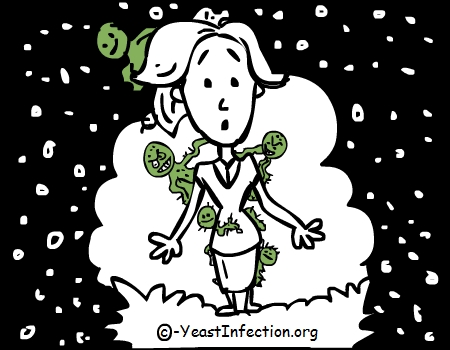
The common types of skin yeast infections can often affect other parts of the body as well, especially if the condition is allowed to remain for some time going into a chronic phase. For example, you may have a severe case of athlete’s feet and develop bloating, gas, burping, diarrhea or even break out in a rash on the palm of your hand. Now you have two problems, both connected but seen by doctors as separate conditions requiring different drugs. The fungus did this by becoming systemic and releasing mycotoxins into the blood stream, and the mycotoxins then affected your gastrointestinal system or the skin on the palm of your hand. I call yeast a micro-beast for this reason, it travels through it’s unsuspecting host and can affect you systemically in many different ways. Take a look at the common and not so common signs and symptoms of yeast infection.

Related articles:

Skin yeast infections have even been linked with elevated blood cholesterol levels. When for instance toenail fungus was treated, cholesterol levels were reduced. This of course would mean that, without a doubt, the fungus contributed to high cholesterol. A leading research (Constantine in 1994) discovered that cholesterol can actually bind to the fungal mycotoxins in your blood due to your immune system’s response to the yeast poisons.

Yeast and Lung Infections

Aspergillus is a single celled yeast organism which can seriously affect a person’s health. People with infections of the lungs have often been found to suffer from skin yeast infections. Some may even resemble skin cancer. (Kibbler) Aspergillosis is a group of diseases caused by the yeast Aspergillus. The symptoms are fever, a cough, chest pain or breathlessness occur in many other illnesses so diagnosis can be hard. Usually it is only in patients with already weakened immune systems or who suffer other lung conditions are susceptible. Some Aspergillus species however can cause serious disease in humans and animals. Allergic aspergillosis (which affects those asthma, cystic fibrosis and sinusitis patients). Acute invasive aspergillosis (risk increases if patient has weakened immunity such as some cancer patients and those on chemotherapy).

Many Skin Diseases Are Linked To Fungal Conditions

What I have commonly found is that the common skin diseases like psoriasis, acne, hives, and eczema at first glance don’t seem to have any relation to an internal candida fungus infection. But, when people who have these other common skin complaints are treated for a fungal infection, their external skin problems may well go away. There are various studies showing that psoriasis is indeed a fungal infection or linked to a fungal origin caused by either the fungus itself or their mycotoxins being released into the blood stream. (notini 1994) Psoriasis is supposedly an incurable disease, I have not found this to be the case. There are no “incurable” diseases, but plenty of patients who are resistant to correct treatment measures, in addition to many health care professionals who have one-tracked minds when it comes to skin treatments – local and external only. People with chronic skin complaints all too easily give up, and are in a constant search of “that magic cream” or potion that will banish all the itching, redness and discomfort.

The Internal Problems Need Fixing Up

Patients often find it amazing that the last thing I am concerned about is their skin problem, I want to get their digestion right FIRST – and then look at local treatment. It is important naturally to offer some comfort if the skin is itchy, flaky, red and irritable – but it is not the over riding factor.

The internal problem, is in most cases, preventable. Usually, it is caused by diet, antibiotics, steroids, birth control pills, or possible inhaling of fungal spores in the home through air conditioning systems. Have you ever seen a child with eczema that has not been exposed to antibiotics at one time or another? Remember that skin yeast infections are usually a sign that something is wrong inside your body. With that in mind these signs and symptoms should not be taken lightly. If you suffer from any skin yeast diseases it may be wise to take a look at your lifestyle and diet much more closely, what you did (and ate or drugs like antibiotics you took) before the disease showed symptoms.

Related articles:

References

  • Trichophyton schoenleinii first proven to cause skin lesions – (Principles and Practice of Clinical Mycology–1996
  • Buck, D. S., et al.  Comparison of two topical preparations for the treatment of onychomycosis:  Melaleuca alterniflora (tea tree) oil and clotrimazole.  The Journal of Family Practice.  38(6):601-605, 1994.
  • Ponikau, J. U., et al.  The diagnosis and incidence of allergic fungal sinusitis.  Mayo Clinic Proceedings.  74:877-884, 1999.


Ringworm

Ringworm (Tinea corpora)

This is probably one of the most misdiagnosed yeast skin infections I have seen, commonly viewed as eczema in children. Ringworm is caused by a microscopic fungus, not an actual worm. Many people worry a great deal about the term “ringworm”, and actually believe they have a worm problem. This is not the case, you simply have a fungal type of skin problem that causes these peculiar round red lesions, they are quite characteristic of ringworm – look at the picture, do you recognize it if you look at your itchy skin lesion?

The infected area spreads out slowly from its central starting point and creates a slightly raised, circular and intensely red ring surrounding a less red, flaky, itchy area. It is impossible to miss, once you have seen this condition you won’t forget it. Over weeks, the ring slowly enlarges and spreads. It can occur anywhere on the body and in multiple sites at once, so it’s often confused with other kinds of skin problems like eczema, dermatitis and even psoriasis.

Related articles:

Solution – use straight Australian Tea Tree Oil. Works well for my patients. I tend to use other products as well, depending on the case and like the person to have a diet change for 6 – 12 weeks. We can most always have a quick resolution with ringworm. This condition is easy to spot and diagnose, so don’t be fooled anymore. Make sure you observe hygiene and cleanliness, naturally.


Candida Yeast Infection Skin Problems

Candida Yeast Infection Skin ProblemsWhat many people fail to realize is that yeasts and bacteria reside all over the skin. Often, although we have a general aversion to bacteria these days, these organisms act in a protective capacity. The skin, although it can make a pretty outer shell, is actually the largest organ of the body and is constantly reacting not only to what is happening to us externally but also internally.

As an example of how internal problems can affect the skin we can take the condition of shingles into consideration. Although it presents on the surface of the skin as a rash or blisters or sometimes both, this rash is due to a virus traveling up from nerves deep inside the body and emerging on the surface. In some cases the bacteria and yeasts which reside on the skin will be able to overwhelm this pathogen, but, and particularly when immune responses are diminished, then it cannot and illness occurs.

Related articles:

When it comes to yeasts similar things can happen in that an internal problem manifests in external symptoms – yet rarely are the internal problems investigated. Most people are aware that if they have problems on the skin they will be provided with a topical treatment such as a cream, to apply to the affected area only. Often the problem is further complicated because there are areas on the skin which are conducive to yeast infections. In women the most commonly recognized is that of the vagina which is moist, dark, airless and warm. Yet there are other places on the body where yeast infections can occur and which make it more difficult to treat. Anywhere on the body where there are creases or folds of flesh and particularly those which are covered by clothes rather than exposed to the air, are vulnerable. Under arms, behind knees in the crooks of elbows and on the scalp are places which are often affected. However women can also often be affected in the area just underneath the breasts where they touch the skin. This area is also, like the other commonly affected regions, warm, dark and moist. A problem which can also aggravate yeast infection in this area is that the skin can also be irritated by tight bras which, more often than not, are nylon or synthetic based in the support banding.

Yet diagnosing skin yeast infections can be more than a little problematic. Firstly many people present at my surgery who have already achieved a diagnosis of another skin condition, such as eczema or even psoriasis. Yet often I find what they actually have is a skin condition caused by a yeast infection and one which would respond more effectively to natural treatments rather than contemporary drugs. However these problems can become even more complex when a patient does actually have another skin condition and then that problem is aggravated by contracting a yeast infection on top of it. Either way, if the patient is only receiving treatment for one of the complaints then, clearly, the problem is not going to go away.

One fact which can assist in clarifying the true nature of skin infections is where it is located. If it manifests on any of the areas of the body which are conducive to yeasts, then often a fungal infection is involved to a lesser or greater degree. Other strong indicators toward yeast infection can be if the skin is itchy and/or reddened and if you also have other symptoms indicative of a dysfunction of the gut microflora. These are usually in the context of digestive issues and can include constipation and or diarrhea, indigestion, bloating or excessive gas. Often you will also find that you may have developed a sensitivity not only to certain foods, but certain body lotions or facial moisturizers.

Causation of course is always worth establishing. Not only does it give you an idea why your current infection began but it also gives you an idea of what to avoid in future. Sometimes the cause is easy to identify and many people can trace it back to when they had a course of antibiotics, but others, such as long-term use of the contraceptive pill, might be suspected as being the cause but are often a little more tricky to avoid.

Yeasts have existed on the skin of man since the beginning of his time, but only now are we constantly exposing both our internal and external organisms to undue stressors. If you have a skin infection and are either having problems ridding yourself of it with contemporary treatments or you want to identify what it is prior to starting a treatment, then it is worthwhile doing a Google search for fungal skin conditions and having a look at some images to see if yours corresponds. There is little point in either continuing with a treatment or embarking on one, if the condition you have will not respond to a particular medication. If it is a fungal infection then often natural treatments are best to rid yourself of it in the long-term. You may not get the apparent ‘quick-fix’ promised by contemporary medicine but then you will not have to deal with side-effects or recurrent infections either.

Related articles:

Male Yeast Infections Signs And Symptoms

Common Male Yeast Infection Symptoms

This article will explore the various ways in which a yeast infection will manifest in a male. Men are obviously different in many ways, both in the way that they are shaped anatomically and in their personality and emotions. This article will explore the different signs and symptoms of a candida yeast infection a man is more likely to experience.

Related articles:

Common signs and symptoms males experience with a yeast infection include male-associated urinary and sexual problems as well as various digestive complaints:

  • Jock itch
  • Itchy scrotum or groin
  • Itchy feet or toes
  • Itchy ears or scalp
  • Loss of sex drive
  • Impotence
  • Prostatitis
  • Cravings for sweet foods or drinks
  • Desire for beer
  • Desire for confectionery or candy
  • Penis infections
  • Difficulty urinating
  • Urinary frequency or urgency
  • Painful intercourse
  • Sexual dysfunction
  • Swollen scrotum

Is the male a beer or regular drinker of alcohol? Suspect candida if he drinks beers or other forms of alcohol like rum, bourbon, whiskey or other forms of alcohol regularly and complains of prostatitis, itchy skin, burping, bloating, and other symptoms listed here. Many practitioners miss this, but if beer (or alcohol, but commonly a beer) is consumed regularly and there are prostate issues it certainly makes sense to suspect the candida yeast infection which is being happily maintained by a steady supply or beer.

Other signs and symptoms of male yeast infection are:

  • Constipation
  • Bad breath
  • Bloating
  • Indigestion
  • Frequent intestinal gas
  • Frequent diarrhea, very loose stools
  • Irritability or mood swings
  • Fatigue or lack of energy
  • Memory loss
  • Dry itchy flaky skin.
  • Itchy feet or athlete’s feet

Many men will have several of these signs and symptoms as mentioned above, but may also probably develop a craving for sweets, pasta, potato chips or French fries, hot dogs, take-out, candy, chocolate, coffee (with lots of sugar), soda drinks and similar sweet foods and drinks.  In addition, check out my complete listing of the major and minor signs and symptoms of a candida yeast infection.

Related articles: